

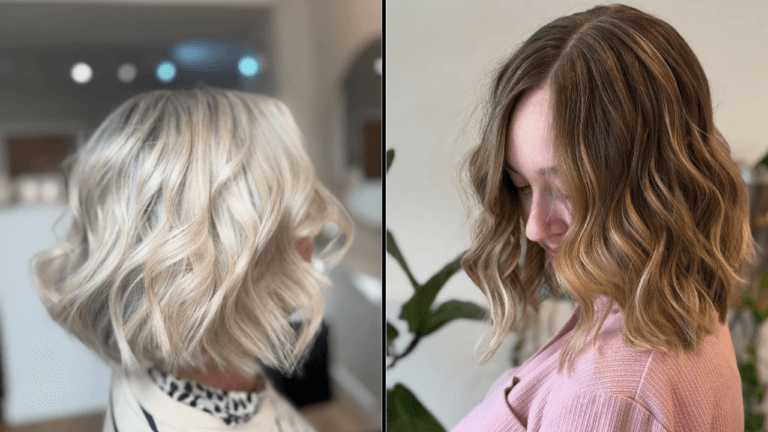
I often notice that women walk into the salon with a photo of a celebrity, yet they feel disappointed when the result doesn’t look identical.
What I find fascinating is that the disconnect almost never comes from a bad haircut, but rather from a fundamental misunderstanding of what their specific hair is capable of doing.
A client once spent an hour describing a voluminous, bouncy blowout she wanted, not realizing her fine density simply wouldn’t hold that specific structural shape without a different approach.
Learning the blueprint of your own hair is the single most empowering thing you can do for your personal style because it removes the guesswork from your morning routine.
Why Your Hair DNA Dictates Your Best Look
Understanding your hair is about looking at three distinct pillars: the shape of the strand, the thickness of that strand, and how many strands you actually have on your head. Most people confuse texture with density, but they are entirely different players in the game. I see many women who have very fine hair but a massive amount of it, which requires a completely different cutting technique than someone with coarse hair that is actually quite thin.
The core idea here is that your hair has a natural “behavioral ” pattern. If you have a strong natural wave, fighting it with a blunt, heavy bob might result in a triangular shape you hate. If you have pin-straight hair, trying to force a shaggy, textured look without the right products will often leave the hair looking limp rather than edgy. I often see people get frustrated with their hair when they are actually just fighting its natural physics.
Common variations usually fall into the categories of straight, wavy, curly, and coily. Within those, you have to account for the width of the hair fiber itself. Is it like a delicate silk thread or a sturdy copper wire? When you pair the right shape with the right width and the right amount of hair, you finally get a style that settles into place instead of one you have to wrestle with every single day.

How To Know What You Are Actually Working With
Determining your hair type requires a bit of an “audit” at home. To check your texture, take a single strand of hair from your brush and lay it on a plain white piece of paper. If you can barely see it or feel it between your fingers, you have fine hair. If it is highly visible and feels slightly bumpy or sturdy, you are likely in the coarse category.
Density is a different beast entirely. A simple way to check this is to gather your hair into a ponytail. If the circumference of the ponytail is about the size of a dime or less, your density is low. If it is more like the size of a half-dollar or larger, you have high density. Your lifestyle also plays a huge role here. Someone with high-density, curly hair might find a short pixie much more maintenance-heavy than a long, weighted style because of how often they would need to tame the volume.
Pros and Cons of Different Profiles
- Fine, High Density: You have a lot of hair to work with, but it tangles easily and can lose volume quickly.
- Coarse, Low Density: Your hair is very strong and holds shape well, but it can look “gappy” if you get too many layers.
- Wavy, Medium Density: This is often the most versatile for styling, but it is prone to frizz if the humidity jumps even slightly.
How To Explain Your Hair To Your Stylist
The biggest mistake I see in the chair is a client using technical terms they aren’t quite sure about. Instead of saying “I want layers,” try describing the movement you want. You might say, “My hair is very dense and feels heavy at the bottom, so I want to remove some of that weight without losing the length.” This tells the stylist exactly what problem you are trying to solve.
Bring photos that feature people who actually share your hair profile. If you have fine, straight hair, showing a photo of a woman with thick, bohemian waves isn’t helpful. Tell your stylist, “I like the shape of this cut, but I know my hair is much finer than hers, so how can we adapt this for my texture?”
Use phrases like “low-tension” if you want a look that doesn’t require a round brush every day. If you hate the feeling of products, mention that early on. A good stylist can look at your hair and tell you if a certain look is realistic, but they need to know your daily “pain points” first. Common miscommunications happen when a client asks for “texture” but actually means “layers,” or asks for “thinning” when they really just need “shaping.”
Daily Rituals For Every Hair Profile
Managing your hair day-to-day is about leaning into what it wants to do naturally. For those with fine hair, the goal is often about preservation of volume. A fast routine involves a lightweight volumizing spray at the roots and a quick rough-dry with the head flipped upside down. This uses gravity to your advantage before you ever touch a brush.
If you have thick, curly, or coily hair, your routine should focus on moisture retention. A detailed routine for a wash day might involve a deep conditioning mask followed by a “plopping” technique with a microfiber towel to keep the curls intact. Using a wide-tooth comb in the shower while the conditioner is still in is a game-changer for preventing breakage.
Practical Tools and Growth
- Fine Hair: A boar bristle brush helps distribute natural oils without snapping delicate strands.
- Coarse or Curly Hair: A high-quality leave-in cream is essential to keep the cuticle flat and shiny.
- The Grow-Out: High-density hair needs more frequent “internal” trims to manage bulk as it grows. Fine hair can often go longer between trims because it doesn’t “poof” out as it gains length.

Identifying Your Personal Hair Category
These examples show how different textures and densities translate into real-world styles. Seeing these variations helps you pinpoint where your hair falls on the spectrum.

This short pixie cut sits close to the head with soft, feathered layers that give fine straight hair a bit of lift and movement. The length stays cropped around the ears and nape while the lightly textured fringe frames the forehead. A warm auburn tone adds depth and shine which makes the cut look lively instead of flat.
I love how a pixie like this makes fine hair look fuller without needing much styling. It feels fresh, playful, and a little bold in the best way. On busy mornings I can run a little product through it and still look put together.

This chin length bob has a softly rounded shape with natural waves that add body and texture. The length sits right at the jawline with a gentle center part and subtle layering that keeps thick hair from feeling heavy. The creamy blonde color brightens the look and highlights the movement in the waves.
This kind of bob always feels effortlessly pretty to me. The waves give thick hair room to move so it looks soft instead of bulky. I also love how the length frames the face and makes the whole style feel relaxed and modern.

This shoulder length cut is full of soft rounded layers that bring out natural curls and movement. The dark brunette color adds depth while the layered shape keeps the curls bouncy and light instead of heavy. The overall look feels airy, romantic, and full of texture.
I love how a layered curly cut like this makes my hair feel alive and effortless. The curls fall into place without looking too styled, which is perfect for everyday wear. It gives that carefree volume that always makes me feel a little more confident.

This long haircut features smooth straight strands with gentle long layers that keep the shape soft and flowing. The rich dark brown color adds shine while the slightly tapered ends prevent the length from looking bulky. The overall style feels sleek, healthy, and very classic.
Long layered hair like this always makes my hair feel elegant and put together. The layers keep it from looking flat while still letting me enjoy the length. I also love how it moves when I walk which gives it that subtle swishy finish.

This mid length lob features soft waves and subtle layered shaping that keeps the hair looking natural and relaxed. Warm caramel highlights run through the medium brown base which adds dimension and shine. The length sits just past the shoulders which gives the style a casual and effortless feel.
I love how this kind of wavy lob makes my hair look thicker without feeling heavy. The waves give it movement and the highlights catch the light in the prettiest way. It is one of those styles that looks good even on days when I barely try.

This long haircut features smooth straight strands with gentle long layers that keep the shape soft and flowing. The rich dark brown color adds shine while the slightly tapered ends prevent the length from looking bulky. The overall style feels sleek, healthy, and very classic.
Long layered hair like this always makes my hair feel elegant and put together. The layers keep it from looking flat while still letting me enjoy the length. I also love how it moves when I walk which gives it that subtle swishy finish.
Common Mistakes To Avoid
The most frequent error I see is using the wrong product for the wrong density. I see women with fine hair using heavy Moroccan oils because they heard it was “good for hair,” only to end up with greasy, flat locks by noon. Oil is for the hair fiber, not the scalp. If your hair is fine, keep your products focused on the very ends.
Another mistake is over-washing. High-density, coarse hair can often go four or five days without a wash because the natural oils take longer to travel down the hair shaft. Washing it every day actually strips the hair and makes it more rebellious. Conversely, if you have fine hair and a high-density of oil glands, trying to “train” your hair to go a week without washing might just lead to scalp irritation.
Lastly, stop ignoring your “growth patterns.” Everyone has cowlicks or a natural part that refuses to move. Instead of trying to force your hair to part in the middle because it’s trendy, work with the direction the hair grows out of the follicle. It will save you twenty minutes of blow-drying and a lot of hairspray.
Troubleshooting Your Most Common Hair Questions
Why does my hair look thick but feel thin? You likely have high density but fine texture. You have thousands of hairs, but each one is very skinny. This means you have volume, but your hair can still be fragile.
How can I tell if my hair is damaged or just naturally coarse? Coarse hair feels sturdy and has a thicker diameter. Damaged hair feels “mushy” when wet or brittle and “crunchy” when dry. If it snaps easily, it’s likely damage.
Why won’t my curls stay in? This is common with fine, low-porosity hair. The hair is too “slippery” to hold the shape. You need a grit-building product like a sea salt spray or a dry texture spray before using heat.
What is the best way to manage “puffy” hair? Puffiness is usually just a curl pattern trying to happen without enough moisture. Switch to a heavier conditioner and stop brushing your hair when it is dry.
Does hair texture change as we age? Yes, it often does. Hormonal changes can make hair become finer or even change from straight to wavy. Many women find their hair becomes more coarse as it turns gray.
Is it possible to have two different textures? It is actually very common. Many people have tighter curls at the nape of the neck and straighter hair on the top layer where the sun and wind hit it most.
What is the best brush for thinning hair? A soft-bristle brush or a wet-style brush with very flexible bristles is best. You want to avoid any tension that could pull the hair from the follicle.
Why is my hair always frizzy even when I use oil? You might be using a product that sits on top of the hair instead of penetrating it. Try applying your products to soaking wet hair to trap the moisture in.
Other Hair Paths To Explore
- The “French Girl” Bob: This works beautifully for those with medium density and a natural wave who want a low-maintenance look.
- The Ultra-Layered Shag: This is a dream for high-density hair because it allows the stylist to remove a massive amount of weight while keeping a trendy shape.
- The Sleek Blunt Lob: A perfect choice for fine, straight hair because the blunt edge creates the illusion of more thickness at the bottom.
- The Soft Tapered Pixie: This is excellent for coarse hair that needs to be “tamed” into a manageable, chic silhouette.
- Long Interior Layers: A great middle-ground for someone who wants to keep their length but finds their hair feels too heavy or “triangular.”
