

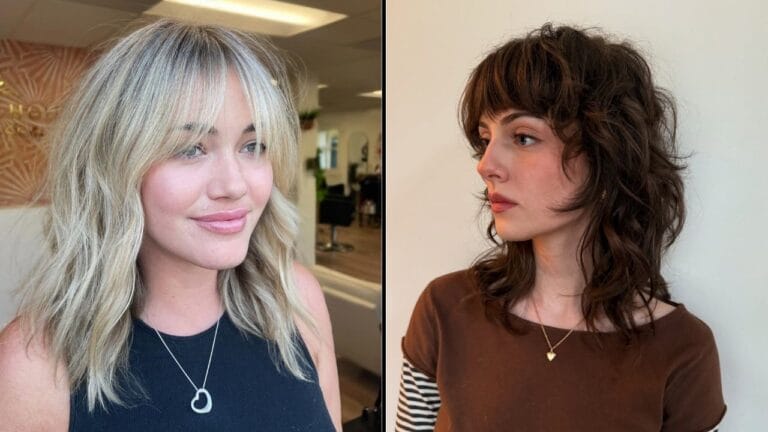
I often see women walking into the salon feeling completely defeated by their own natural texture.
There is a common misconception that curly hair is a burden to be managed rather than a feature to be celebrated.
It reminds me of a client who spent twenty years hiding her spirals in a tight bun because she simply didn’t know where to start with a real routine.
Seeing the look on someone’s face when they realize their hair can actually be soft and defined is the best part of my job.
Why The Right Foundation Changes Everything For Your Curls
Curly hair operates by a completely different set of rules than straight hair. The spiral shape of the strand makes it harder for natural oils from the scalp to travel down to the ends. This is why most curls feel naturally dry or prone to frizz. When we talk about what makes a curly hairstyle work, we are really talking about moisture management and structural cutting.
The goal is to work with the spring of the hair rather than fighting against it. I often notice that the most successful curly cuts involve interior layering. This removes bulk from the mid-lengths so the hair doesn’t create a triangle shape around the face. Most people are surprised that the weight of their hair is actually what is pulling their curls flat at the root.
Variations of these styles depend on how tight your pattern is. For some, a rounded “lioness” mane provides the volume they’ve always wanted. For others, a shoulder-length shag with a curtain fringe allows the curls to frame the eyes perfectly. The patterns I see working best in real life are those that prioritize the health of the ends and the natural movement of the silhouette.

How To Know If This Curly Approach Is Right For You
Deciding to embrace your natural curls is a lifestyle shift as much as a style choice. If you have any hint of a wave or a spiral, this approach will likely simplify your morning. It works beautifully for those who are tired of the constant heat damage from flat irons and blowouts. Your face shape matters less than the health of your hair, but rounder faces often benefit from height at the top, while longer faces look great with volume at the sides.
Maintenance is a major factor to consider. While you might spend less time styling every single day, you will need to commit to a specific wash day routine. Curly hair thrives on consistency. If you are someone who likes to wash and go, you’ll love this. If you prefer a perfectly sleek and polished look every second of the day, the unpredictability of curls might be a challenge at first.
Pros of embracing your curls:
- Significant reduction in heat damage and split ends.
- Natural volume that straight-haired people envy.
- The style often looks better on day two or three.
- Your hair gains a unique personality that stands out.
Cons to keep in mind:
- You have to learn to embrace a little bit of natural “fuzz” or halo frizz.
- Weather and humidity will become factors you have to monitor.
- Finding a stylist who truly understands curls can take some trial and error.
Common Mistakes To Avoid With Textured Hair
The biggest mistake I see is people treating curly hair like straight hair. This starts in the shower. Using a standard towel to rub your hair dry creates instant friction and breaks up the curl clumps. Instead, use an old cotton T-shirt or a microfiber towel to gently squeeze the water out. This keeps the cuticle smooth and prevents that puffy, undefined look.
Another pitfall is skipping the leave-in conditioner. Many women worry that products will weigh their hair down. In reality, curls are thirsty. Without a base layer of moisture, the hair will reach out into the atmosphere to find it, which is exactly what causes frizz. You also want to avoid touching your hair while it is drying. Once you’ve applied your product and set the curls, leave them alone until they are 100% dry.
How To Talk To Your Stylist About Your Curls
Communication at the salon is where many curly journeys go off the rails. You should always tell your stylist that you intend to wear your hair curly the majority of the time. This changes how they tension the hair while cutting. I highly recommend asking if they perform “dry cuts.” Cutting curly hair while it is dry allows the stylist to see exactly where each spiral falls and how much it will “boing” up.
Use specific phrases like “I want to remove weight, not length” or “I need more volume at the crown.” If you hate the “triangle” look, tell them you want rounded layers. Avoid asking for “thinned out” hair with thinning shears. Thinning shears can shred the ends of a curl and lead to massive frizz. Instead, ask for “point cutting” or “channel cutting” to create space between the curls.
Bring reference photos of people who have a similar curl pattern to yours. If you have loose waves, showing a photo of tight coils won’t help the stylist give you a realistic result. Look for images where the hair density matches yours as well. It helps to show your stylist a photo of your hair on its “best” day so they see what your curls are capable of doing.
Daily Styling Routines That Support Your Look
Your daily reality with curls is all about the “refresh.” On a wash day, your routine should be thorough. Start with a sulfate-free cleanser, followed by a generous amount of conditioner. Use a wide-tooth comb in the shower while the conditioner is still in. Apply your styling cream or gel to soaking wet hair. This seals in the moisture before the air can get to it.
The Fast Realistic Routine:
- Spritz hair with a mixture of water and a little leave-in conditioner.
- Scrunch the curls upward to reactivate the product from the day before.
- Let it air dry for ten minutes while you get dressed.
- Smooth a tiny drop of hair oil over any flyaways.
The Detailed “Best Hair Day” Routine:
- Wash and condition using the “squish to condish” method.
- Apply a curl definer and a hard-hold gel to wet hair.
- Use a diffuser attachment on your blow dryer on a low heat setting.
- Tilt your head side to side while diffusing to build volume at the root.
- Once dry, “scrunch out the crunch” to break the gel cast for soft, bouncy curls.
As this style grows out, it tends to stay looking good longer than a blunt straight cut. The uneven nature of curls masks the growth. You can usually go 10 to 12 weeks between trims if you are keeping the hair hydrated.

Real Life Inspiration For This Look
The following styles show how versatile natural texture can be when the right shape is applied. You will see everything from short, bouncy crops to long, flowing spirals that embrace the natural volume of the hair.

This short curly bob sits around chin length with natural, springy curls and light layering that keeps the shape rounded and soft. Wispy curly bangs fall across the forehead and blend into the sides, while the rich brunette tone adds depth and shine. The overall style feels airy, playful, and nicely textured without looking bulky.
I love how this cut gives curls a fun little bounce while still feeling easy and effortless. The bangs soften the face and make the whole look feel youthful and relaxed. It is one of those styles that looks cute even when the curls are doing their own thing.

This shoulder length curly style features defined ringlets with soft layering that helps the curls fall naturally around the face. A deep side part creates extra volume on one side and adds a bit of drama to the overall shape. The dark brown color enhances the curl definition and gives the hair a glossy healthy look.
I always feel like a deep side part instantly adds personality to curly hair. It gives the curls more movement and makes the whole style feel fuller without needing a ton of styling. It is a great choice when I want my curls to look bold but still completely natural.

This long curly hairstyle is full of tight, well defined coils that fall below the shoulders with rounded layers throughout the length. The layers help create a soft circular shape that keeps the curls balanced and bouncy instead of heavy. The deep brunette color highlights the texture and makes every curl pop beautifully.
I love how these rounded layers let the curls stack up in the prettiest way. The shape feels soft and flattering while still showing off lots of volume. It is the kind of curly style that makes my hair feel big, lively, and full of personality.

This chin length curly pixie is full of tight natural curls that create a rounded and voluminous shape. The cut sits right around the jawline with soft layering that keeps the curls defined and lively. Deep brunette color adds richness while the short length highlights the curl pattern beautifully.
I love how freeing a short curly cut like this feels. My curls get all the attention and the shape keeps everything looking playful and full. It is also surprisingly easy to style which makes busy mornings a lot happier.

This medium length shag has soft waves and plenty of feathered layers that create an easy breezy shape. The curtain fringe opens around the face and blends smoothly into the rest of the haircut. A creamy blonde color adds brightness and gives the texture a soft sunlit feel.
I always feel like this cut gives my hair instant personality without much effort. The fringe frames my face in such a flattering way and the layers help my waves fall naturally. It is the kind of style that looks cute even when I barely style it.

This look features long layered curls with a soft silver gray tone that gives the hair beautiful natural dimension. The length falls past the shoulders while light layering keeps the curls bouncy and full of movement. The texture looks airy and touchable with loose ringlets that frame the face in a relaxed way.
I love how this style lets natural curls shine while still feeling polished and modern. The layers keep everything from looking heavy so my curls feel light and lively all day. The silver color also makes the texture pop which always feels a little extra glamorous.
How This Approach Works With Gray Hair
Transitioning to gray often changes the texture of your hair. Gray strands are frequently coarser and more stubborn than your original color. If you have curls, you might notice your gray hairs standing up or appearing “wiry.” This is because the hair follicle produces less oil as we age. Embracing your curls while going gray is actually a brilliant move because the texture helps hide the “line of demarcation” during the grow-out phase.
I suggest using a purple-toned conditioner once a week to keep the silver bright and prevent yellowing. Because gray hair is more porous, it needs even more moisture than before. Don’t be afraid of heavier creams or butters if your hair feels rough to the touch. The goal is to soften those silver strands so they play nicely with the rest of your curls.
Your Most Common Questions Answered
Why does my hair look curly when wet but frizzy when dry? This usually means your hair is lacking a “hold” product like gel or mousse. When the water evaporates, the curls have nothing to keep them stuck together, so they fly apart into frizz.
How often should I actually wash my curly hair? Most curly-haired women find that one to two times a week is plenty. Over-washing strips away the oils that your curls desperately need to stay defined.
Can I brush my curls? Only when your hair is wet and loaded with conditioner. Brushing dry curls is the fastest way to create a giant cloud of frizz and cause breakage.
What is a “cast” and why does my hair feel crunchy? A cast is the hard layer formed by hair gel. It protects the curl while it dries. Once the hair is fully dry, you just squeeze the hair to break that layer, leaving soft curls behind.
Is it okay to use heat on my curls occasionally? Yes, but always use a heat protectant. Frequent high heat will eventually loosen your curl pattern over time, making it look limp.
How do I sleep with curls without ruining them? Try the “pineapple” method by gathering your hair in a very loose, high ponytail on top of your head with a silk scrunchie. A silk or satin pillowcase also helps prevent friction.
Why is my hair flat on top but curly at the bottom? This is usually caused by the weight of your hair or product buildup. A clarifying shampoo and shorter layers near the crown can help the top layers spring back up.
Should I get my hair thinned out? I generally advise against it. Standard thinning shears create short hairs throughout the head that can push the longer curls out, leading to more bulk and frizz rather than less.
Other Options You Might Like
- The Modern Shag: If you love volume but want a more “rock and roll” edge, a shag uses shorter layers to maximize texture.
- The Blunt Curly Bob: A great choice for those with finer curly hair who want to create the illusion of thickness at the ends.
- The Tapered Pixie: For the woman who wants the ultimate low-maintenance routine while showing off her natural coil pattern.
- Soft Face-Framing Waves: If your hair is more wavy than curly, focusing on layers that hit at the cheekbones and jawline can enhance your natural movement.
- Long Interior Layers: Ideal for maintaining length while removing the “heavy” feeling that often drags curls down.
