

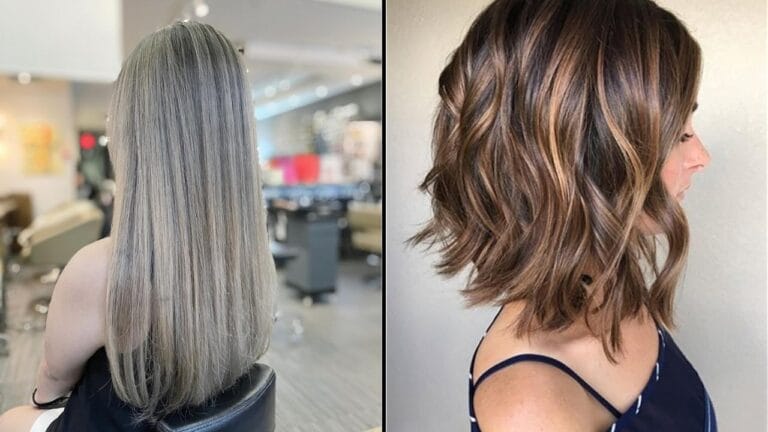
Choosing a hair color is often one of the most intimidating parts of a salon visit.
I see so many clients pick a shade from a magazine only to realize it clashes with their wardrobe or requires more upkeep than their schedule allows.
It happens when we treat color as a separate accessory rather than something that needs to live in harmony with our actual lives.
Getting the right color is about finding that sweet spot where your complexion glows, your morning routine stays simple, and your bank account feels respected.
What Makes A Hair Color Truly Right For You
Most people get stuck because they focus on just one element of the decision. They might pick a color because they love how it looks on a celebrity, but they forget to check if it matches their skin undertone. Or they fall in love with a high-maintenance platinum blonde without considering that they hate sitting in a salon chair every four weeks.
The most successful color transformations happen when you balance the “Triad of Color”: skin tone, lifestyle, and budget.
Your skin tone dictates the specific shade of blonde, brunette, or red that will make you look awake and healthy. Your lifestyle dictates how much time you can spend on styling and root touch-ups. Your budget dictates the technique, such as full highlights versus a low-maintenance balayage.
I often see women struggle when they ignore the budget or lifestyle side of this equation. For example, a heavy highlight pattern looks beautiful, but it requires frequent salon visits to keep it looking intentional rather than grown out. If you prefer to visit the salon twice a year, you need a different strategy.
How To Tell If A Color Will Work For You
Before you commit to a major change, you need to be honest about your current habits. Take a look at your closet. Do you mostly wear cool tones like black, white, and navy? Or do you gravitate toward warm earth tones like olive, mustard, and cream? These colors often reveal what your skin naturally prefers.
You should also consider your daily routine. If you are a wash-and-go person, a color that requires daily toning or purple shampoo might frustrate you within a month.
Here is a simple way to look at the trade-offs:
- High-Maintenance Colors: These include vivid fashion colors, icy platinums, and roots-to-ends all-over colors. They require monthly or bi-monthly appointments and professional-grade color-safe products.
- Low-Maintenance Colors: These include balayage, root shadows, or going back to your natural shade. These styles grow out softly without a harsh line of demarcation. They allow you to stretch appointments to three or four months.
Think about your face shape as well. Darker, solid colors can make a face look narrower and more defined, while lighter, multi-dimensional colors can add softness and width.
The Reality Of Skin Undertones
Understanding your undertone helps you avoid looking washed out. Your surface skin color can change with the seasons, but your undertone stays the same.
Cool undertones usually have blue or pink veins in their wrists. They tend to look best with ash blondes, cool browns, or intense burgundies. If you have cool skin, golden, brassy tones might make you look slightly tired or ruddy.
Warm undertones often have green-tinted veins. They shine with honey blondes, golden browns, and auburn reds. These skin tones can handle warmth without looking orange or brassy.
Neutral undertones are the lucky ones who can usually pull off both, but they often look most balanced with soft, natural shades like beige or mushroom brown.
If you are unsure about your undertone, try the jewelry test. Does silver jewelry make your skin look bright and clear? You likely lean cool. Does gold jewelry make your skin look radiant? You likely lean warm.
How To Explain Your Vision To Your Stylist
Communication is the most common place where hair color goes wrong. Never rely on words alone because “honey blonde” means something different to every stylist.
Bring at least three photos. One photo should show the color you want in the best lighting possible. One photo should show how that color looks when it grows out. One photo should show your current hair so the stylist can see your starting point.
Use specific language when you sit in the chair. Instead of saying “I want to be lighter,” say “I want my hair to look lighter but I want to keep my natural roots so it grows out naturally.”
Ask your stylist about the reality of the process. If your hair is currently dark and you want to be a bright blonde, ask how many sessions it will take to get there safely. If they tell you it will take three sessions and you were hoping for one, listen to them. Pushing hair too far in one sitting causes damage that no amount of expensive conditioner can fix.
Daily Maintenance And Keeping It Fresh
You have to change your routine slightly once you color your hair. The most important change is temperature. Turn the dial on your shower to cool or lukewarm water. Hot water opens the hair cuticle and lets the color molecules wash right down the drain.
If you are going lighter, purple or blue shampoo is your best friend. It neutralizes unwanted brassy tones that naturally show up as your toner fades. Only use these once a week, as overusing them can actually make your hair look muddy or dull.
For brunettes and reds, look for a color-depositing conditioner. This helps keep the richness of the shade alive between appointments.
Heat styling also accelerates fading. Try to let your hair air dry when you can, or keep your hot tool settings below 350 degrees. If you must use heat, always use a heat protectant spray. This creates a barrier that keeps the color from cooking and fading faster.
Inspiration Gallery
When looking for inspiration, try to find photos of models who have a similar skin tone to yours. This helps you visualize how the color will actually interact with your complexion.
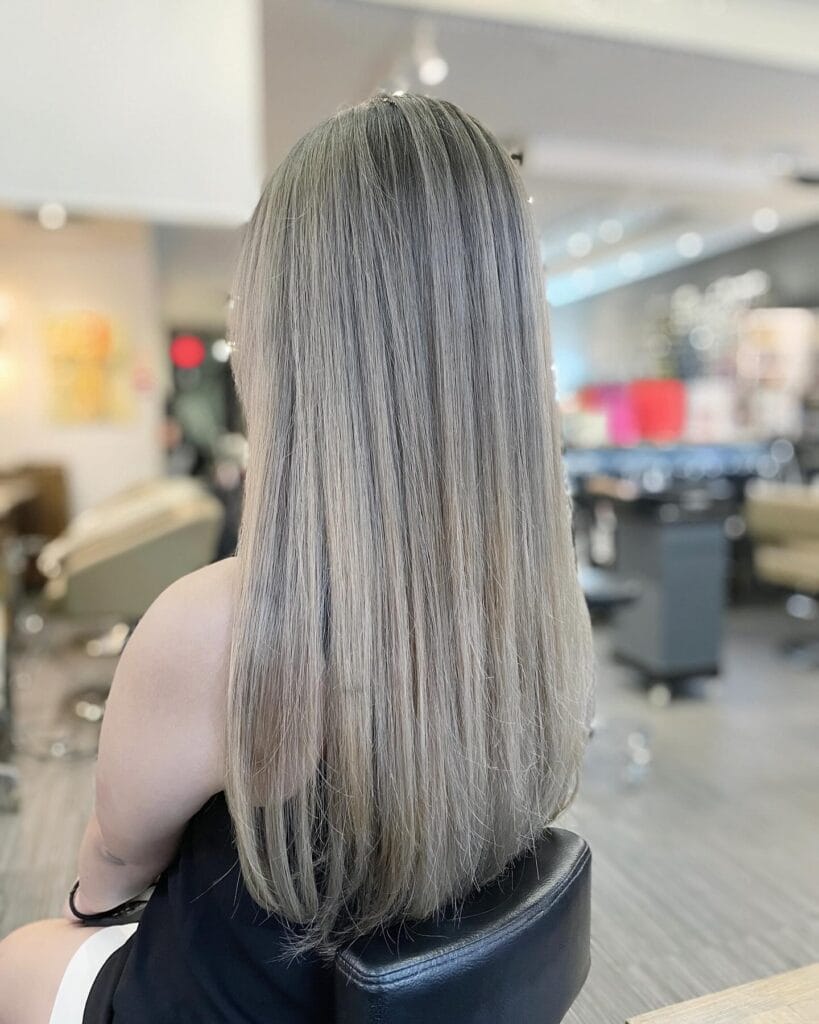
This hairstyle features long, sleek hair that falls well past the shoulders with a smooth, straight texture and softly blended layers near the ends. The color is a cool ash blonde with subtle darker roots that melt into lighter tones, creating a natural dimensional look that feels polished but still effortless. The overall style is clean, glossy, and modern, perfect for showing off healthy length and a beautifully blended color.
I love how this color makes the hair look brighter without feeling too bold or high maintenance. The cool blonde tones give everything a fresh, polished vibe while the darker roots keep it looking natural as it grows out. If I wanted something elegant but still easy to wear every day, this is exactly the kind of look I would go for.
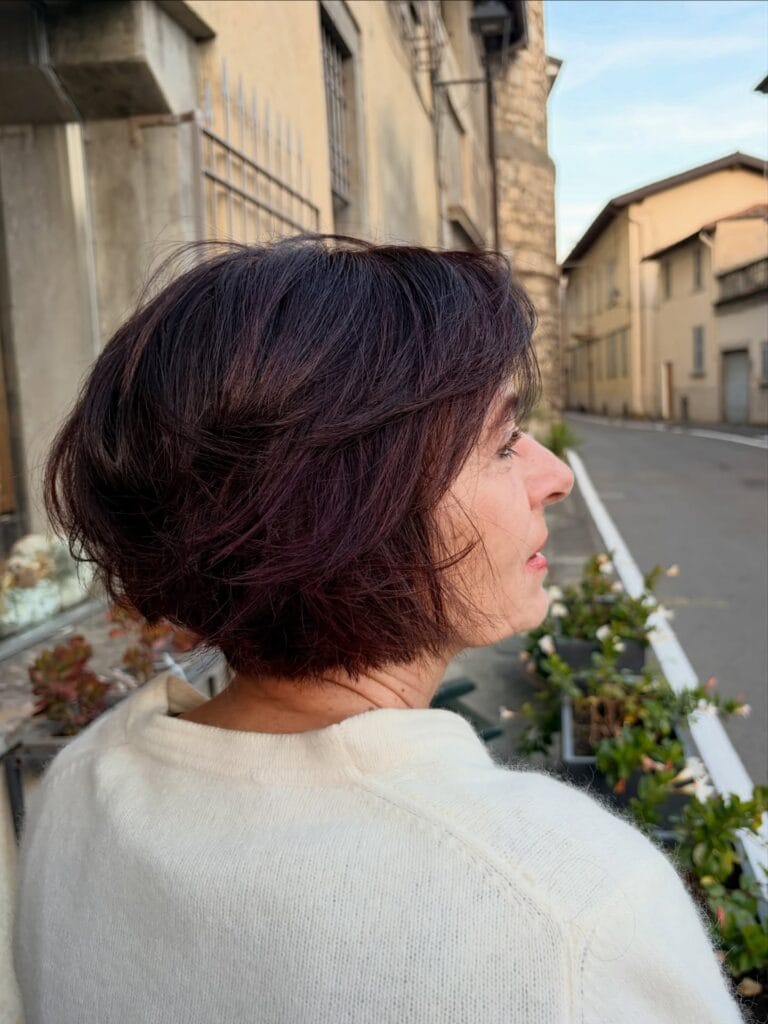
This short layered bob sits right around the jawline and has a softly textured shape that gives the hair natural movement. The layers are feathered and slightly tousled, which keeps the style light and full instead of heavy. The deep mahogany shade mixes rich brown with hints of plum and red, creating a glossy color that looks vibrant but still wearable.
I love how this kind of color makes a simple haircut feel instantly more interesting without needing a complicated style routine. It feels polished but still relaxed, which is perfect when I want my hair to look styled even on busy mornings. The rich tone also adds warmth to the complexion, so my hair ends up doing half the beauty work for me.
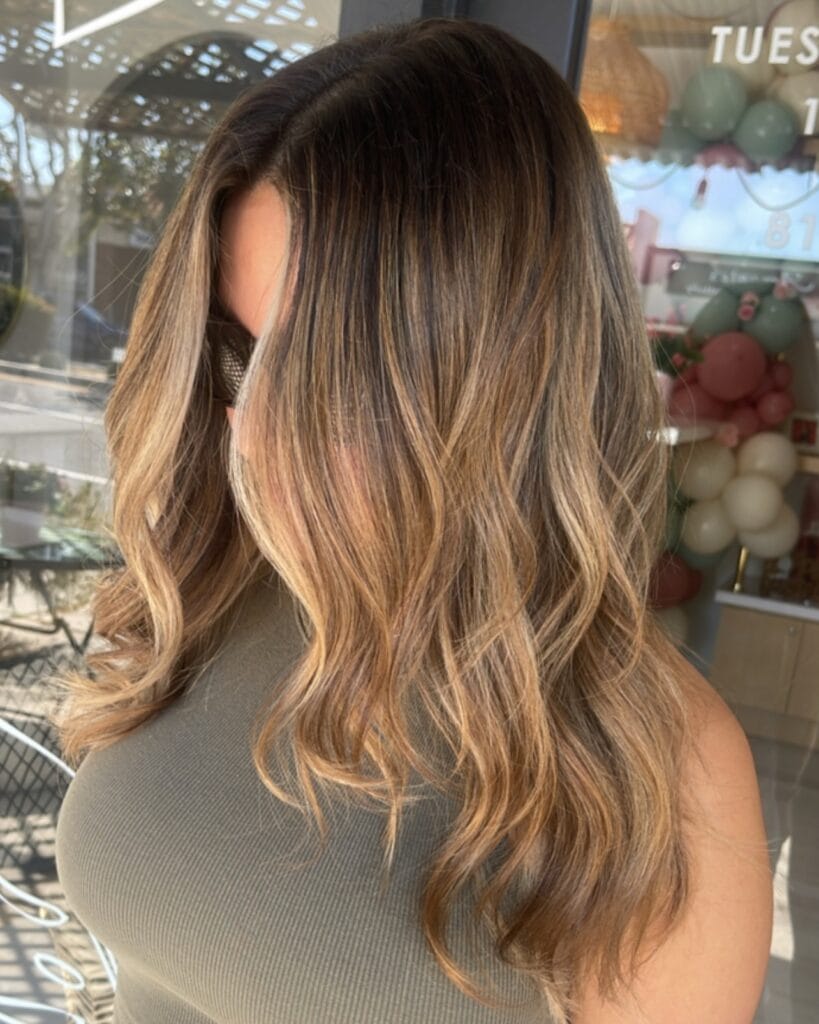
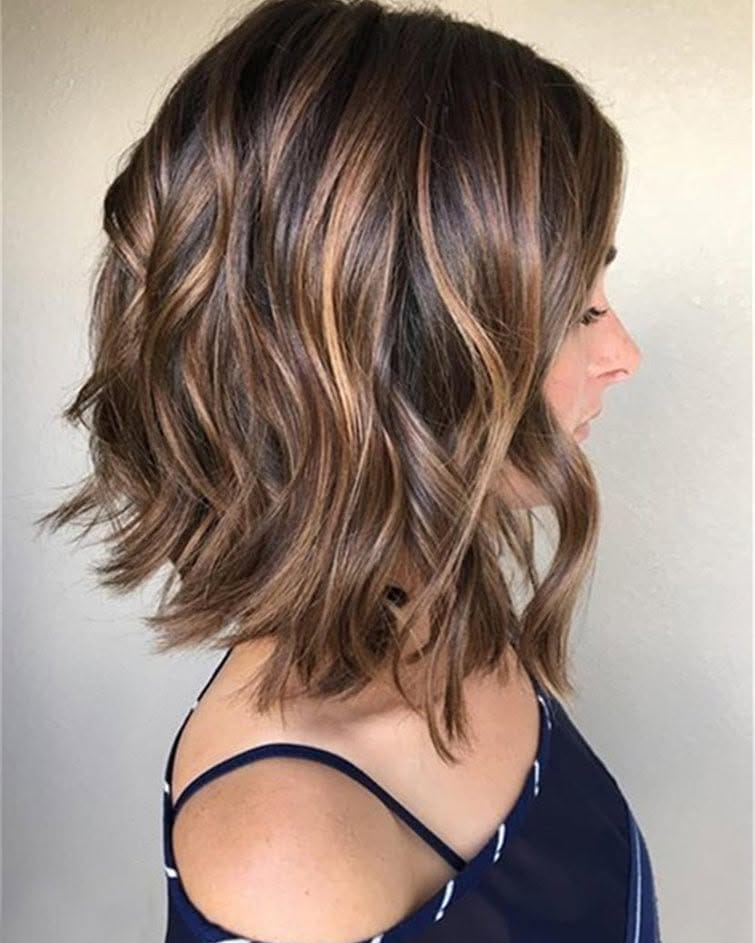
This medium length style falls just past the shoulders with soft, flowing waves that give the hair natural movement and body. Subtle layers keep the shape light and airy while a warm honey brown balayage melts through the darker base for that sunlit, dimensional glow. The overall look feels relaxed and polished at the same time, like the kind of hair that always catches the light in the prettiest way.
I love how this color blend adds brightness without looking overdone or high maintenance. It feels like the perfect choice when I want my hair to look richer and more dimensional while still keeping things natural and easy to grow out. The soft waves also make the color pop, which always makes my hair look a little fuller and more styled even on low effort days.
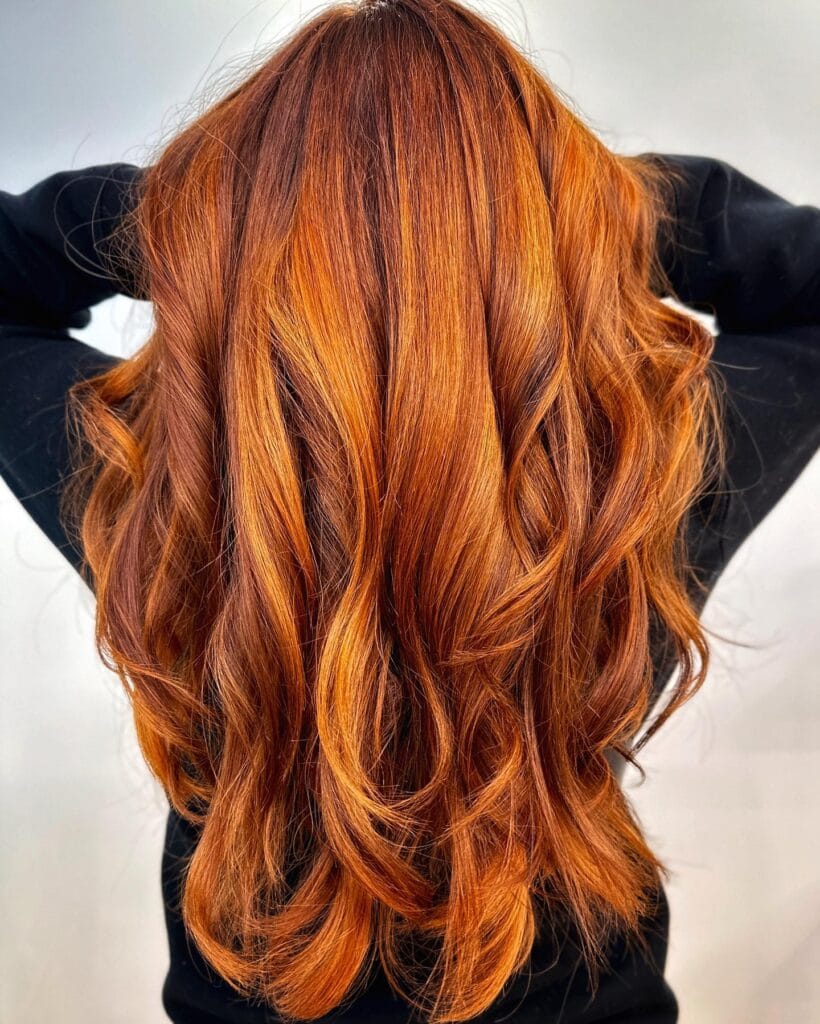
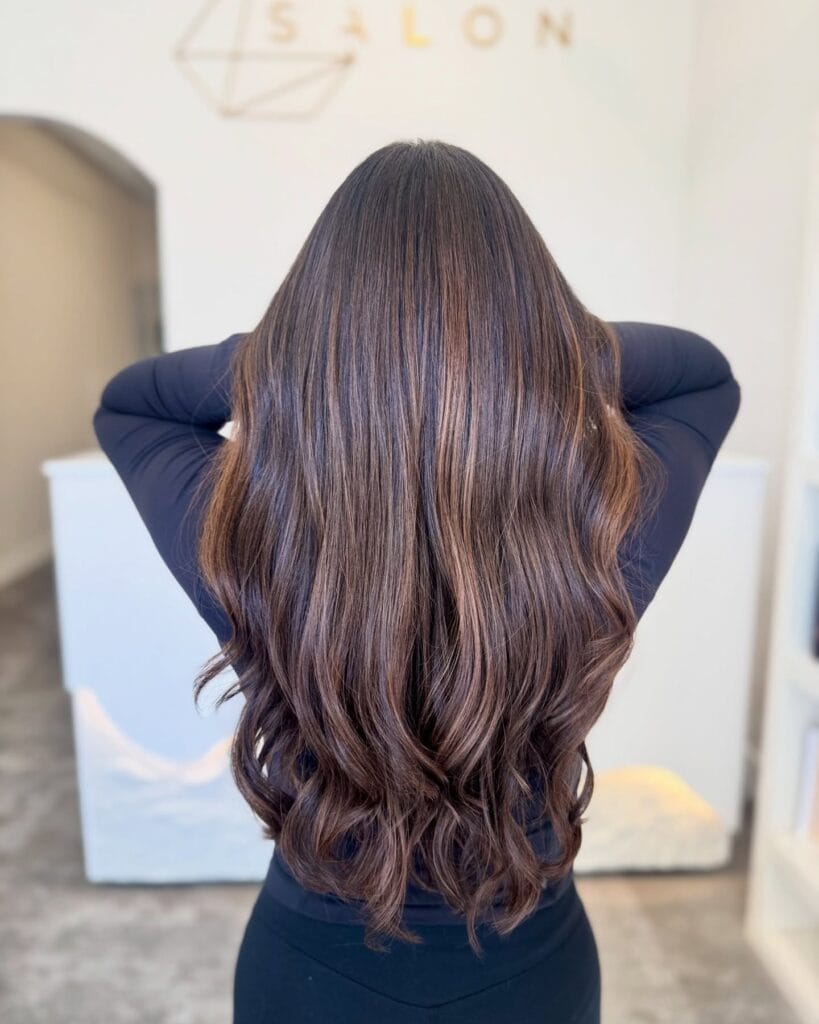
This look features long flowing hair that falls well past the shoulders with soft cascading layers that add movement and lightness. The texture is slightly wavy with loose bends that give it a relaxed, natural feel. The color is a rich copper red with warm golden highlights that catch the light and make the whole style glow.
I love how a warm copper shade like this instantly makes long layered hair feel more vibrant and alive. If my hair ever feels flat or dull, a color like this brings it right back to life and makes the waves pop beautifully. It feels bold but still very wearable which is exactly the sweet spot for everyday hair.
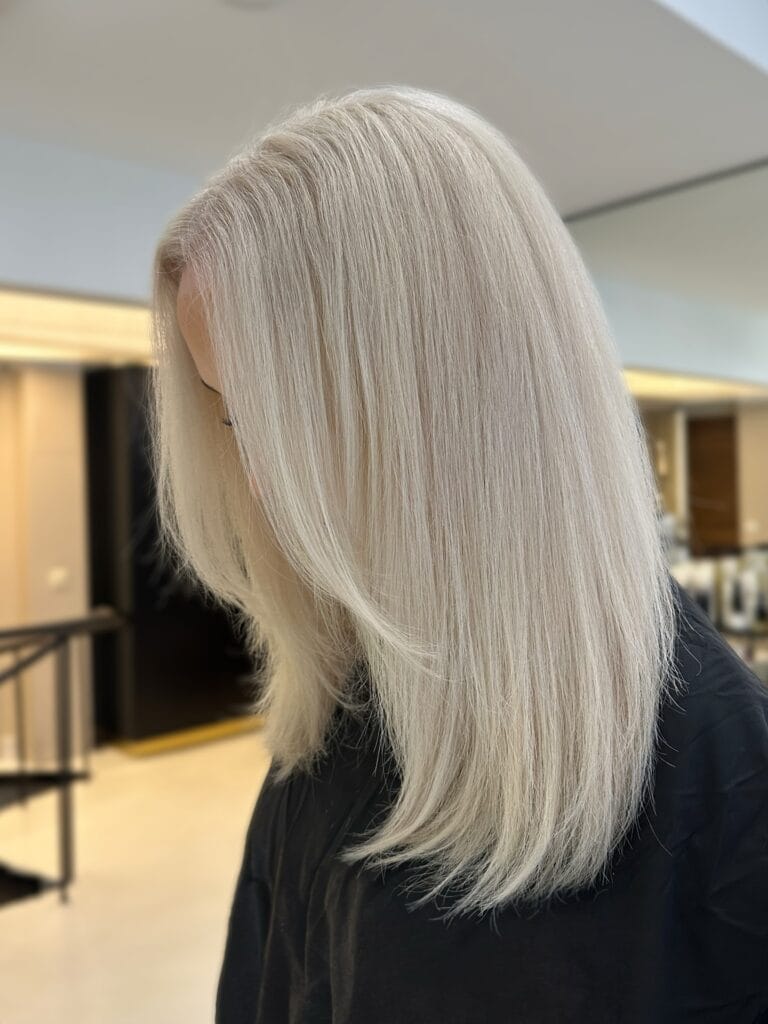
This shoulder length cut features smooth, straight strands with soft, lightly tapered layers through the ends that keep the shape airy instead of heavy. The color is a bright platinum blonde with cool, icy tones that give the hair a luminous, silky finish. Styled sleek and polished, the overall look feels clean, modern, and effortlessly chic.
I love how a cool platinum shade instantly brightens the whole look and makes the hair feel fresh and bold without needing complicated styling. If I want something that feels stylish but still easy to manage day to day, this kind of smooth layered length always does the trick. It feels classy, confident, and just a little bit glamorous.
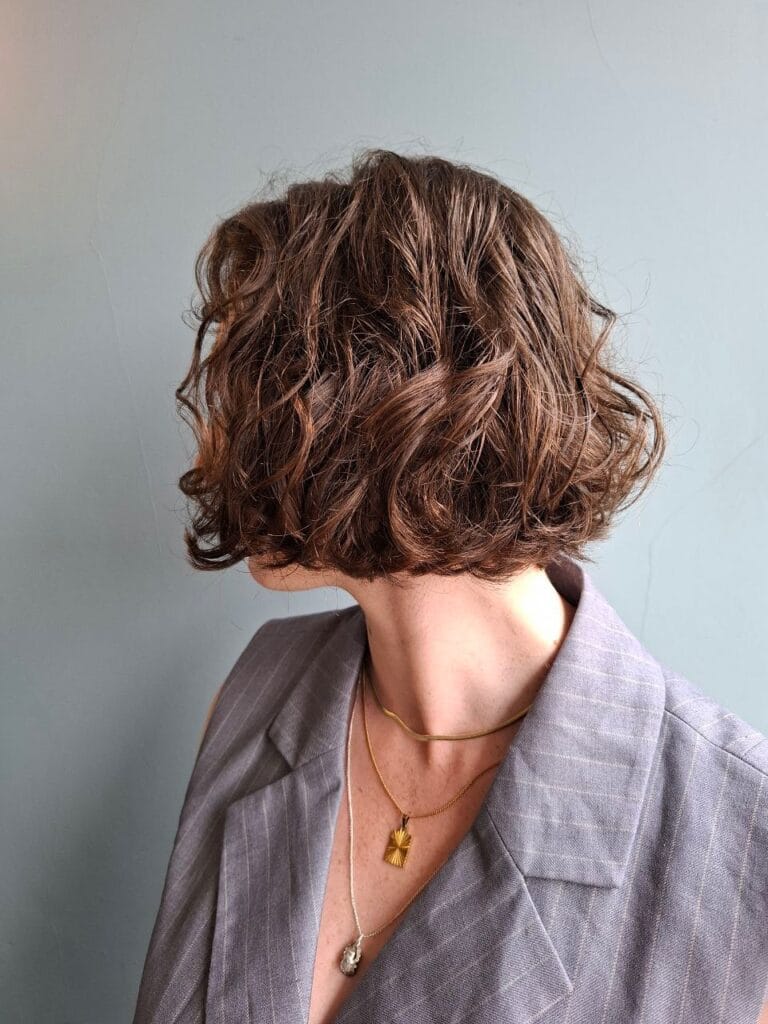
This softly tousled bob sits right around the chin with loose natural waves that give it plenty of movement and texture. Light layering keeps the shape airy instead of bulky, while the warm medium brown color is enriched with subtle chocolate lowlights that add depth and shine. The overall look feels relaxed, modern, and just a little bit effortless in the best way.
I love how this kind of wavy bob makes my hair look fuller without needing tons of styling. The rich brown tones feel natural and low maintenance, which is perfect when I want something that looks polished but still easy to live with. It is the kind of haircut that makes everyday hair feel a little more styled even when I barely try.
Common Color Questions And Fixes
What if I hate the color right after I leave the salon? Give it three days. Sometimes the shock of a big change makes us panic, or the toner is slightly darker than it will be after one wash. If you still hate it after three days, call your stylist. Be polite and specific about what you dislike.
Can I fix a bad at-home box dye job? Please do not try to fix it at home. Box dye is unpredictable and layered over existing color makes it even harder to correct. Go to a professional and be honest about what you used. They need to know so they can choose the right chemical formula to fix it without melting your hair.
How often should I really get my roots done? This depends on your goal. If you are covering gray, you likely need a touch-up every four to six weeks. If you are doing highlights, you can often go three to four months.
Why does my blonde look yellow after two weeks? Your water quality or your styling products might be to blame. Hard water can deposit minerals that change your tone. A clarifying shampoo or a shower filter can often help solve this.
Is it possible to be a redhead if I have cool skin? Yes, but look for blue-based reds, like cherry or burgundy, rather than orange-based copper reds.
Can I switch between warm and cool tones easily? Going from warm to cool is often easier than going from cool to warm. If you are currently cool-toned and want to go warm, you might need a filler to prevent the hair from looking translucent or muddy.
Other Color Approaches To Consider
If you are nervous about a full-color change, consider a “low-commitment” approach.
- Face-Framing Highlights: This involves highlighting only the pieces around your face. It brightens your look without touching the rest of your hair. It is very affordable and low maintenance.
- Glaze Or Gloss: This is a semi-permanent treatment that adds shine and tone without a major color shift. It is perfect for enhancing your natural color without the damage of permanent dye.
- Lowlights: If you are feeling washed out by highlights that are too blonde, add lowlights. These are darker strands woven in to create depth and dimension.
- Root Smudge: This technique blends your natural root color into your highlights, creating a soft transition. It makes the grow-out phase almost invisible.
