

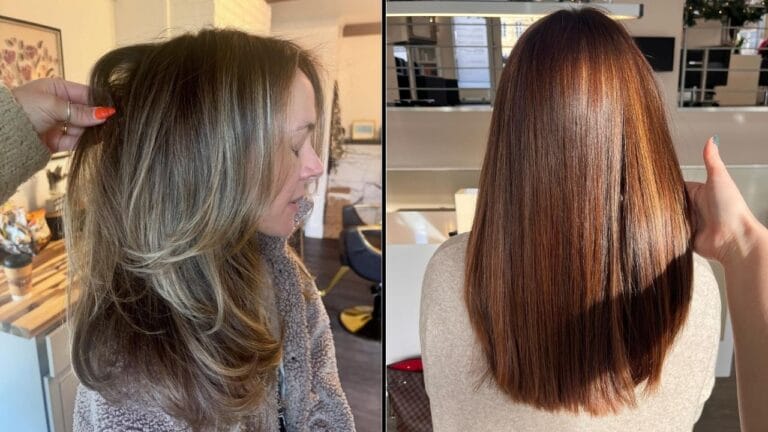
I see so many women leave the salon with a stunning, expensive new shade only to watch it lose its magic within three weeks because their home routine hasn’t changed.
The truth is that chemical color changes the physical structure of your hair strands and they require a completely different level of empathy and maintenance than virgin hair.
It always fascinates me how a subtle shift in highlights or a bold all-over gloss can completely transform someone’s confidence and skin tone.
I remember a client who was frustrated that her blonde turned brassy almost immediately until we realized she was essentially “cooking” her hair with a cheap flat iron every morning.
Taking care of color treated hair is less about adding a dozen steps to your life and more about making sure the steps you already take are actually serving your investment.
Why Color Treated Hair Needs A Specialized Approach
When you sit in that salon chair and the stylist applies lightener or permanent color, a chemical reaction occurs that lifts the outer cuticle of your hair. This allows the pigment to get inside the shaft and change the color you see in the mirror. While the results are beautiful, that lifted cuticle means your hair is now more porous and prone to losing moisture. I often see people treat their colored hair exactly like they did before their appointment, which is the quickest way to end up with a “straw-like” texture.
The core idea behind a successful color-care routine is moisture retention and cuticle sealing. Think of your hair cuticle like shingles on a roof. When they are flat and smooth, they protect the inside and reflect light, which gives you that “expensive” salon shine. When they are ruffled or damaged, the color molecules literally slip out every time you get your hair wet. Most people are surprised that water itself is actually one of the biggest enemies of fresh hair color.
Highlights and balayage add an extra layer of complexity because you have different levels of porosity on a single head of hair. The lightened pieces are often more fragile than the darker base. This is why a “one size fits all” shampoo often fails. You need products that provide enough protein to strengthen the lightened bits while offering enough moisture to keep the rest of the hair from feeling stiff.
How To Know If Your Current Routine Is Falling Short
If you notice your color looks dull or “flat” only two weeks after your appointment, your routine likely needs an overhaul. Healthy color treated hair should have a certain bounce and light-reflective quality. I find that lifestyle plays a massive role in how well your color holds up. If you are someone who hits the gym daily and washes your hair after every sweat session, you are going to see fading much faster than someone who washes twice a week.
Maintenance levels vary depending on the type of color you choose. A platinum blonde requires a much higher level of dedication and budget for professional products than a soft, lived-in brunette balayage. You have to be honest with yourself about how much effort you want to put in. If you love the look of high-contrast highlights but hate using hair masks, you might find your hair becoming brittle and difficult to manage.
Healthy hair should feel soft to the touch from the roots to the ends. If your ends feel “crunchy” or if you see a lot of little broken hairs on your bathroom counter, your hair is screaming for more structural support. The pros of colored hair are the depth, dimension, and personal expression it offers. The cons are the added cost of specialized products and the need to be much more careful with heat styling.
How To Talk To Your Stylist About Your Color Goals
Clear communication during your consultation is the best way to ensure your hair stays healthy in the long run. I always suggest telling your stylist not just what color you want, but what your daily life looks like. Use phrases like, “I want a color that looks good even if I only come in every three months,” or “I am worried about breakage, so please prioritize the integrity of my hair over the lightness of the blonde.”
Bring reference photos that show hair textures similar to your own. If you have fine, straight hair, showing a photo of a thick, curly-haired woman with highlights won’t give you an accurate idea of how the color will sit on your head. Ask your stylist specifically about the “at-home” requirements for the look you are requesting. A good stylist will be honest if a certain look requires more work than you are willing to give.
Common miscommunications often happen around words like “ashy” or “warm.” To some, ashy means gray, while to others, it just means “not orange.” Use your hands to point out where you want to see the most brightness. Ask them, “What is the one product you think is non-negotiable for this specific color?” This helps you walk away with a professional recommendation that fits your new chemical profile.
Common Mistakes That Ruin Your Color Investment
The biggest mistake I see women make is washing their hair with hot water. High temperatures open the hair cuticle wide, allowing those expensive color molecules to wash right down the drain. It sounds painful, but rinsing with cool or lukewarm water is one of the easiest ways to keep your hair shiny. It physically forces the cuticle to lay flat, locking in the moisture and the pigment.
Another frequent error is using products containing harsh sulfates. Sulfates are heavy-duty detergents that are great for cleaning greasy pots and pans but are far too aggressive for color treated strands. They strip away the natural oils that your hair needs to stay flexible. If your shampoo creates a massive mountain of bubbles, it probably contains sulfates that are eating away at your highlights.
I also notice many people skip the heat protectant because they feel it “weighs the hair down.” In reality, applying direct heat from a wand or flat iron to unprotected colored hair is like putting a silk dress under a clothes iron on the highest setting. It creates “flash drying” where the moisture inside the hair evaporates instantly, leading to bubbles in the hair shaft and inevitable breakage.
Daily Styling Routines That Protect Your Hair
Living with color treated hair requires a shift in how you handle your strands from the moment you wake up. A fast, realistic routine involves using a high-quality dry shampoo to extend the life of your blowout. This keeps you from having to use water and traditional shampoo too often. When you do style, always use a cream or spray heat protectant on damp hair before the blow dryer ever touches it.
For those days when you have more time, a pre-shampoo treatment can work wonders. Applying a hair oil or a bond-building treatment to dry hair for twenty minutes before you hop in the shower creates a protective barrier. Follow this with a color-safe shampoo and a deep conditioning mask instead of your regular conditioner. Leave the mask on while you finish the rest of your shower chores to let the ingredients really penetrate.
If you can, embrace heat-free styling at least two days a week. Braiding damp hair overnight for soft waves or using silk heatless rollers can give you a polished look without the thermal damage. As your color grows out, these textures also help hide the “line” where your natural roots meet the dyed hair. This approach allows your hair to rest and recover between salon visits.
Inspiration Gallery: Real Color And Highlights
These looks show how healthy color can look across various lengths and textures when properly maintained.
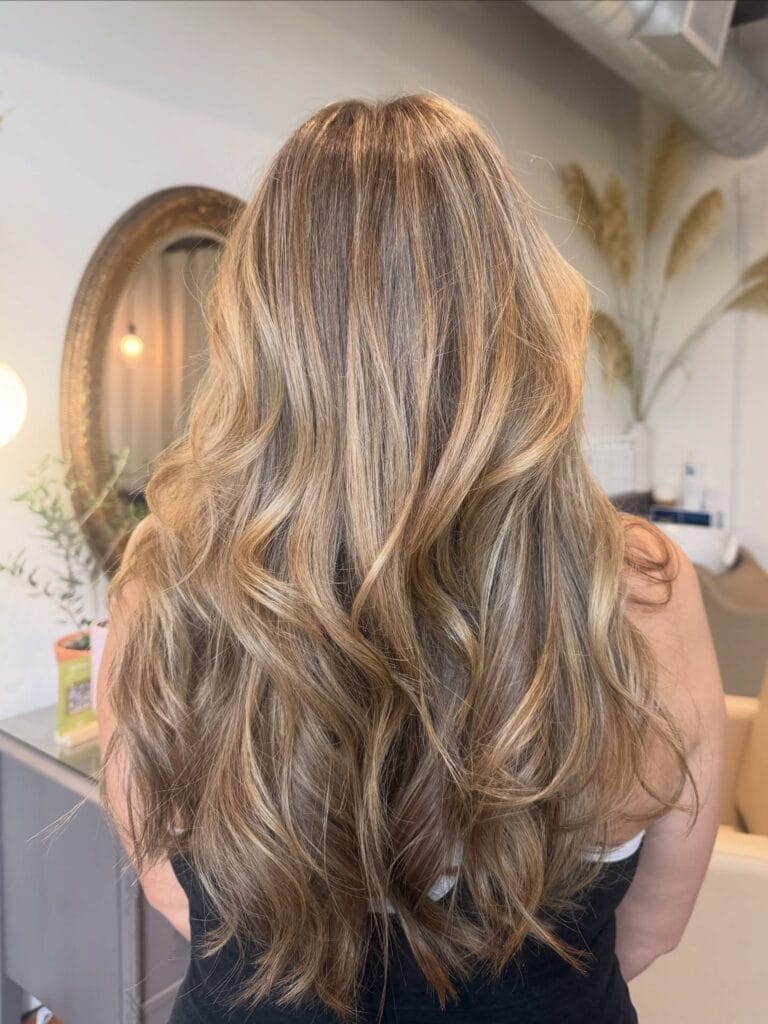
This long layered hairstyle falls well past the shoulders with soft, flowing waves that give the hair lots of natural movement. The layers are blended and airy, creating a light, bouncy texture that keeps the length from feeling heavy. Warm honey blonde highlights are woven through a darker base, adding brightness and dimension that makes the color look glossy and sun kissed.
I love how this kind of layered style makes long hair feel lively instead of flat or weighed down. The highlights catch the light beautifully, so my hair looks fuller and more vibrant even on simple styling days. It is one of those looks that feels polished but still relaxed enough for everyday life.
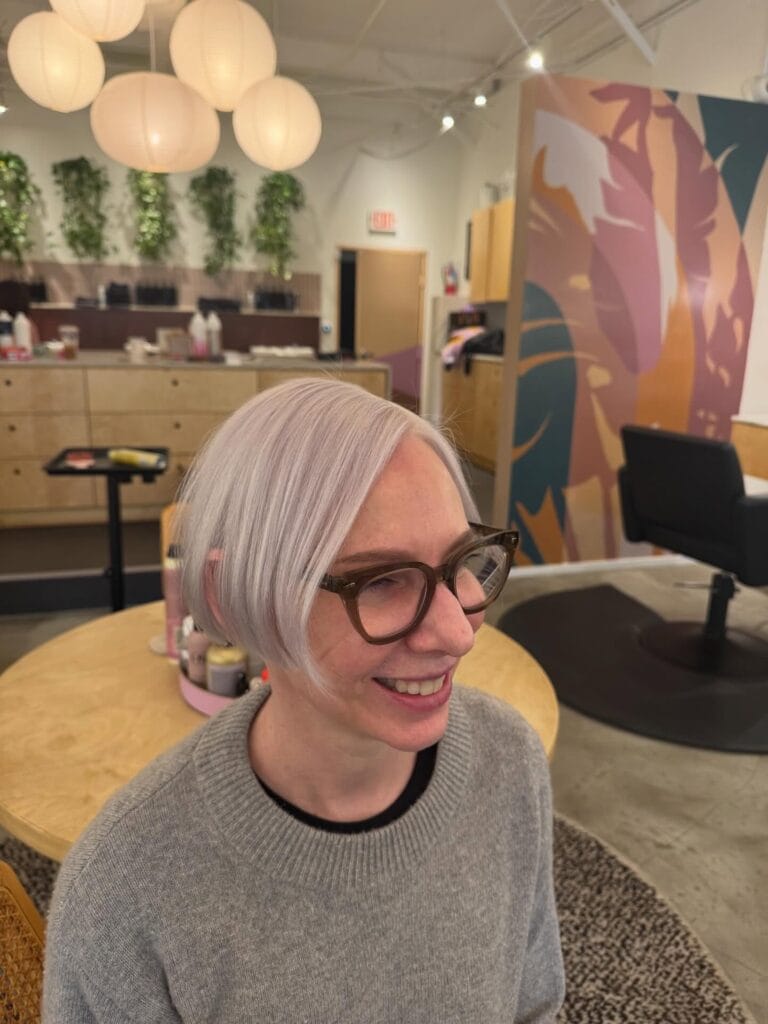
Photo by @hairbyfaeinla
This chic chin length bob has a sleek, polished shape with a soft side part that frames the face beautifully. The hair is smooth and straight with minimal layering, which keeps the cut looking crisp and modern. The icy silver blonde color gives it a bright, luminous feel that really highlights the clean lines of the style.
I love how this kind of bob feels light and effortless while still looking very put together. The cool toned blonde makes the hair look shiny and healthy, which is perfect when you are caring for color treated strands. It also frames my face in a really flattering way and makes the whole style feel fresh and confident.
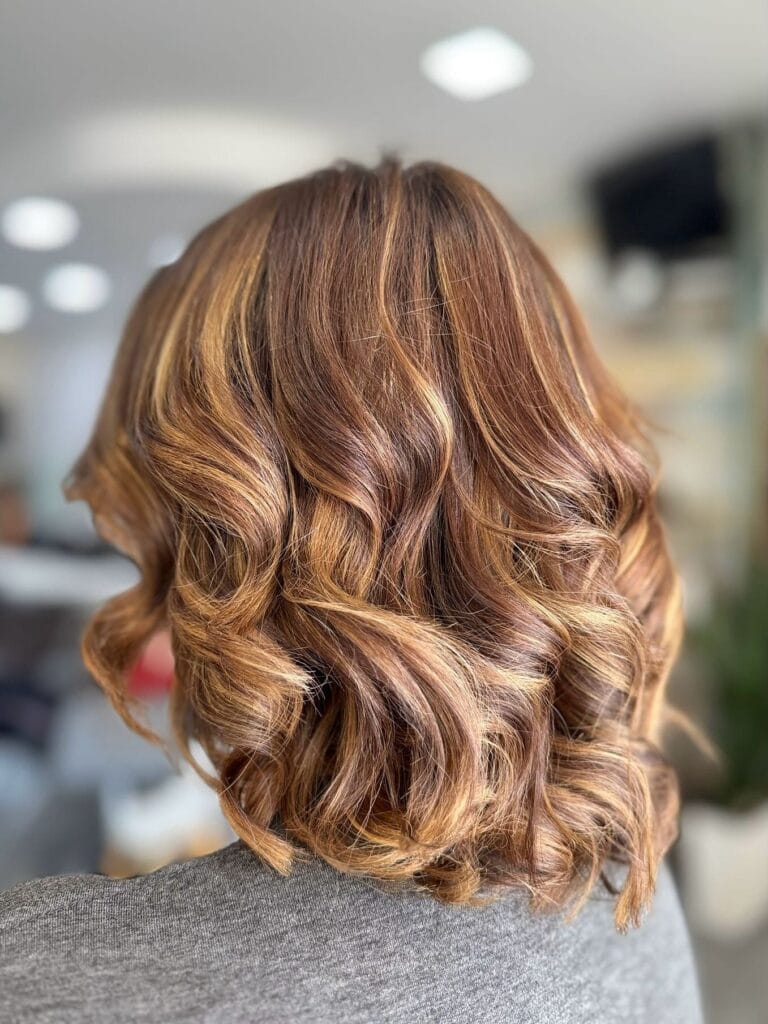
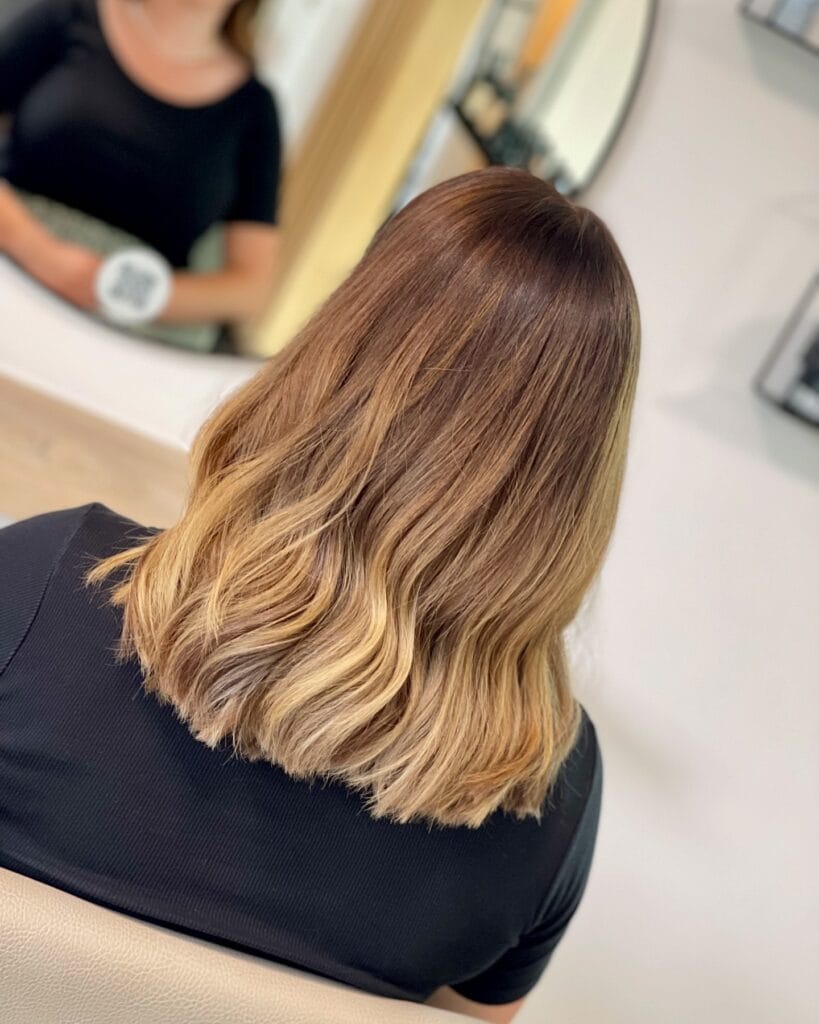
This shoulder length wavy bob has soft, loose curls that add body and movement through the mid lengths and ends. Subtle layers keep the shape light while warm caramel highlights weave through a rich brunette base, creating a glossy, dimensional color that catches the light beautifully. The overall style feels relaxed and bouncy with a polished salon finish.
I love how this kind of cut makes highlighted hair look extra lively and full of shine. The waves show off every ribbon of color, so my highlights never look flat and my hair always feels soft, fresh, and a little bit glam without trying too hard.
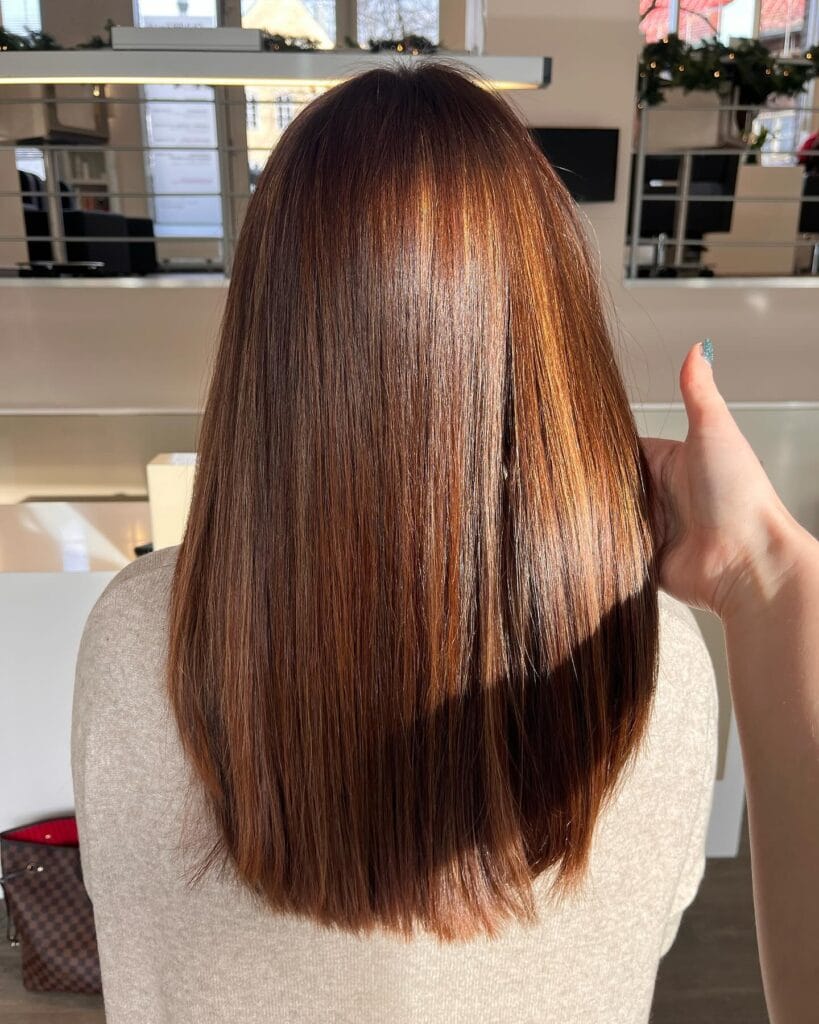
Photo by @enakuhne_
This hairstyle features sleek, straight hair that falls a little past the shoulders with a softly blunt finish at the ends. The texture looks smooth and polished with minimal layering, letting the rich brunette base and warm auburn highlights shine through the strands. The glossy color catches the light beautifully and gives the whole style a healthy, silky look.
I love how this kind of smooth, straight cut makes color treated hair look extra vibrant and shiny. The clean shape keeps everything looking tidy while the warm highlights add depth that really pops in natural light. It feels simple, elegant, and honestly like one of those styles that always looks good without trying too hard.
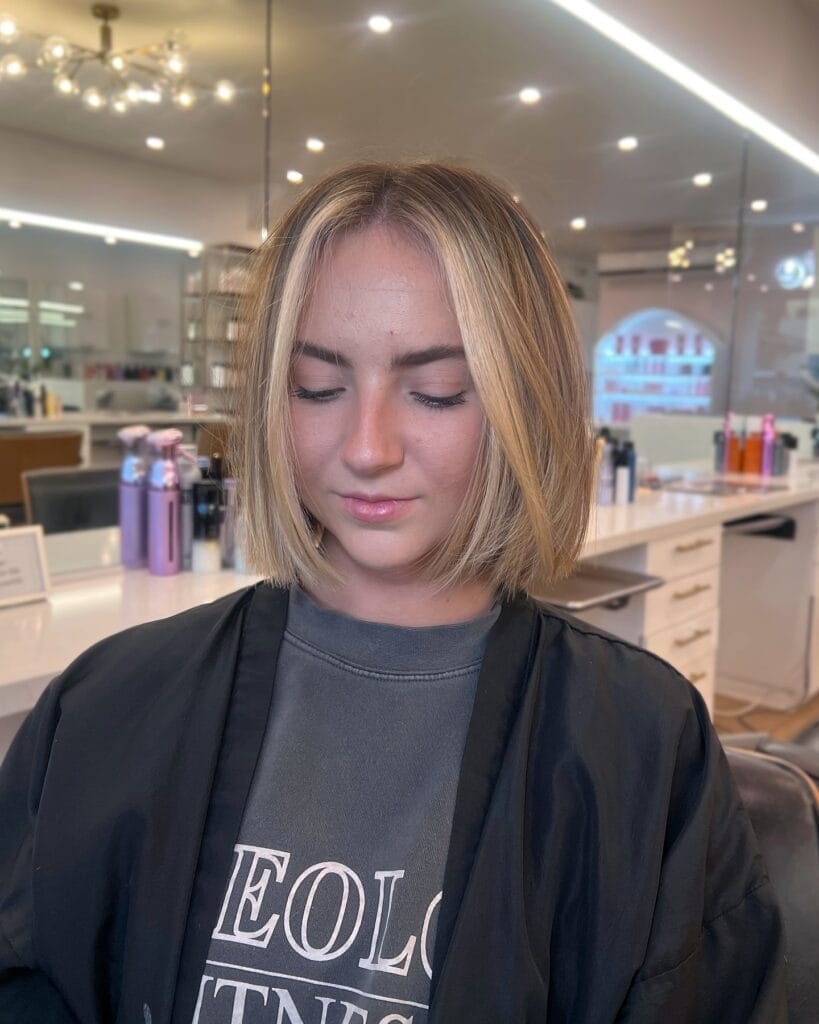
This chin length blunt bob has a smooth, softly tucked shape that sits right along the jawline. The hair is mostly one length with very subtle layering, giving it that clean polished finish while still allowing natural movement. A soft root shadow blends into creamy blonde highlights around the face, which brightens the complexion and adds beautiful dimension.
I love how this kind of bob makes highlighted hair look fresh and healthy instead of overworked. The shorter length keeps the ends looking thick while the lighter pieces around the face add that effortless glow. It always feels like the kind of cut that looks styled even on days when I barely do a thing to it.
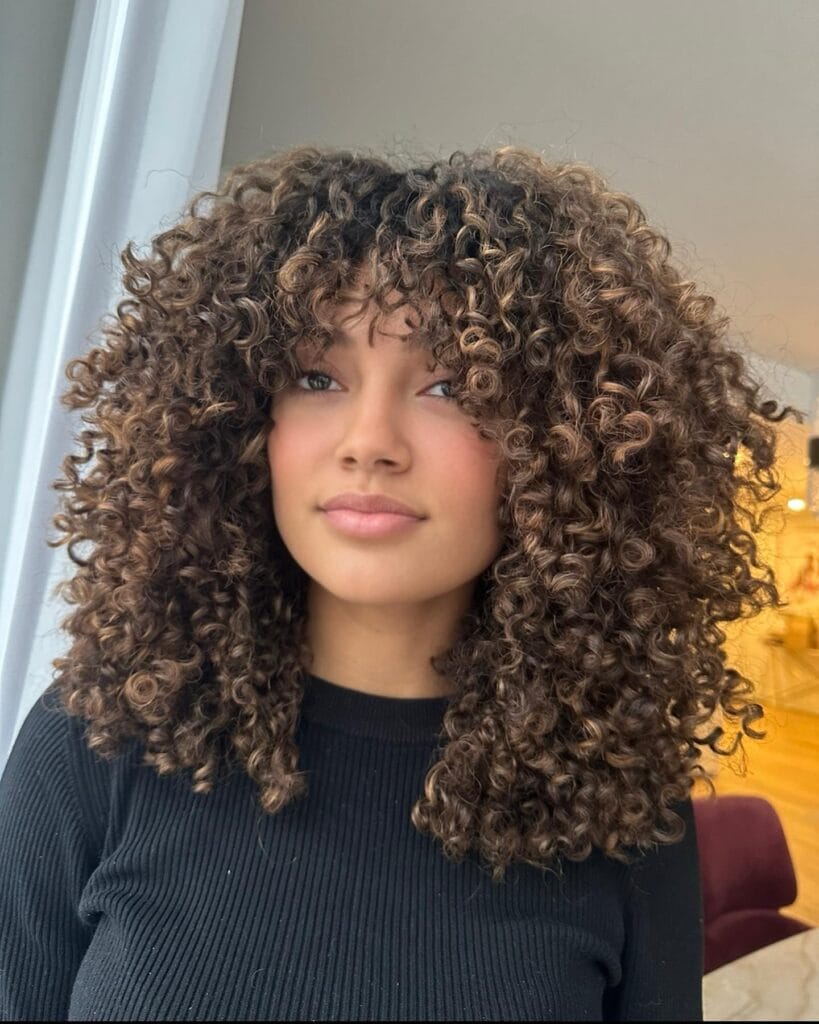
This shoulder length curly cut is full of springy ringlets with lots of natural volume and soft layering to keep the shape light and bouncy. The curls frame the face beautifully and blend into a curly fringe, while warm caramel and honey highlights brighten the rich brunette base and give the whole style that sun kissed glow. The overall look feels lively, textured, and full of movement.
I love how this kind of curly style lets highlighted hair really shine without looking over styled. The dimension from the lighter pieces makes every curl pop and gives my hair that healthy glossy look even on simple wash days. It feels playful, flattering, and perfect when I want my color to do most of the talking.
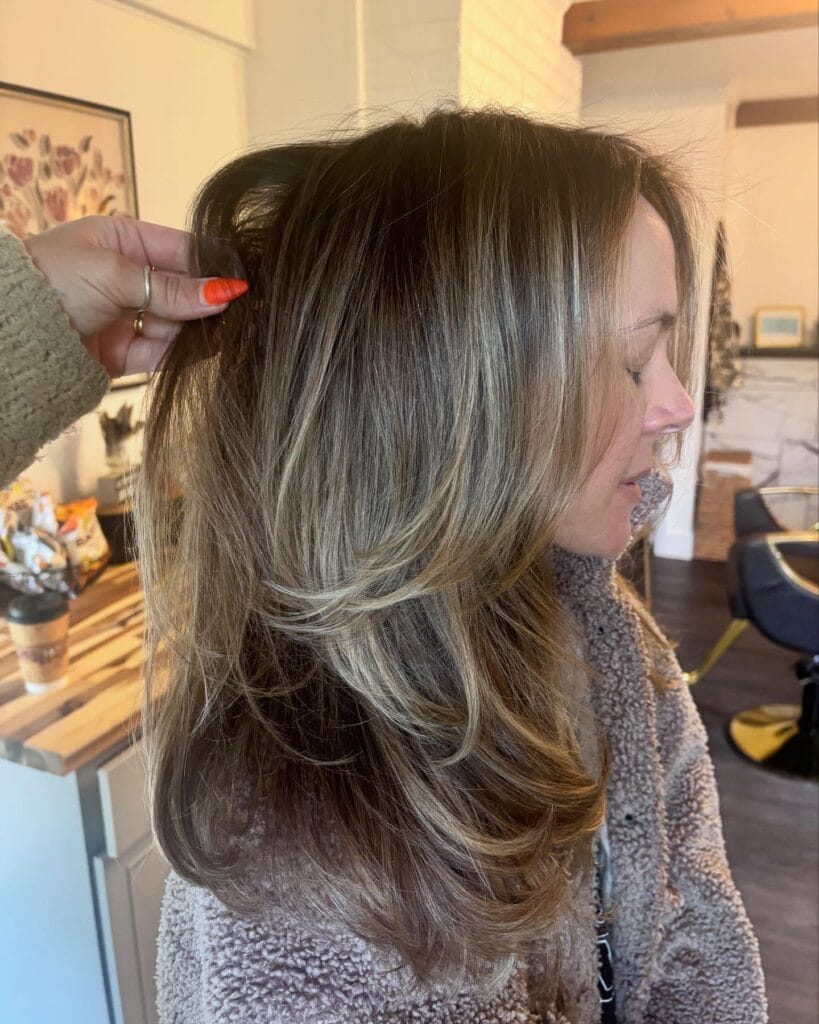
This look features long, softly layered hair that falls just past the shoulders with plenty of movement through the mid lengths and ends. The texture is smooth with gentle bends that show off the layering, while the brunette base is brightened with blended blonde highlights that add a natural sunlit glow. The overall style feels full, airy, and beautifully dimensional.
I love how the layers keep the hair from feeling heavy while still looking thick and healthy. The soft highlights catch the light in such a pretty way and make the whole style feel fresh and lively. It is one of those effortless cuts that makes me feel a little more polished even on a casual day.
Troubleshooting And Common Questions
Why does my blonde hair turn yellow or orange so quickly? This is usually due to mineral buildup from your water or environmental factors like sun exposure. Using a purple or blue toning shampoo once a week can help neutralize those warm tones, but don’t overdo it or your hair might start to look dull.
Can I go swimming with color treated hair? You can, but you need a plan. Wet your hair with clean tap water and apply a leave-in conditioner before getting into a pool or the ocean. This “fills up” the hair so it can’t soak up as much chlorine or salt water.
How often should I actually be washing my hair? Most stylists recommend two to three times a week at most. If you feel oily, try a boar-bristle brush to move the natural oils from your scalp down to your dryer ends.
Is it normal for my hair to feel drier after highlights? Yes, because the lightener removes some of the hair’s natural fatty acids. You have to manually replace that moisture with oils and creams that you didn’t need before.
What does a bond-builder actually do? Unlike a regular conditioner that just sits on top of the hair, bond-builders work on a molecular level to repair the broken disulfide bonds caused by chemical processing.
Do I really need to buy salon shampoo? While some drugstore brands have improved, salon products are more concentrated and have smaller molecules that can actually penetrate the hair. You often end up using less product, so the cost balances out.
How do I stop my red hair from fading so fast? Red is the largest color molecule, so it escapes the hair the easiest. Use a color-depositing conditioner once a week to “stain” the hair and keep the vibrancy high.
Should I get a trim every time I get my color done? I highly recommend it. Even a “dusting” of the ends removes the most porous, damaged parts of the hair, which makes your fresh color look much more polished and healthy.
Other Options To Consider
If the maintenance of traditional highlights feels like too much, you might enjoy a color melt. This technique creates a very smooth transition from your natural root color to a lighter end, meaning you won’t have a harsh regrowth line.
Another great choice is a clear gloss treatment. This doesn’t change your color but adds a massive amount of shine and seals the cuticle, which is perfect if you want the “healthy hair look” without the chemical commitment.
For those who want a change but fear damage, semi-permanent color is a wonderful bridge. It doesn’t lift the cuticle or use peroxide, so it simply coats the hair and fades away gradually over several weeks.
You could also look into lowlights if your hair is feeling over-processed. Adding darker strands back into the hair can actually make it look healthier and thicker while giving your blonde pieces a much-needed break from the bleach.
