

I see so many women walk into the salon feeling completely defeated by that awkward stage where their hair isn’t quite a pixie but isn’t yet a bob.
The transition between lengths is often the moment people give up and cut it all back off because they feel like their style has lost its shape.
It fascinates me how a few strategic trims and a change in styling products can completely flip the script on a “bad hair day” during a grow-out phase.
I remember a client who spent six months wearing a hat because she thought her hair looked “shaggy,” when all she really needed was to tuck one side behind her ear and use a bit of wax for texture.
Choosing to grow out your hair is a marathon that requires a specific roadmap to keep you from feeling like a stranger in the mirror.
What Makes A Successful Growth Transition Work
The core idea behind a graceful grow-out is maintaining a deliberate shape at every single stage of the journey. Most people assume that growing their hair means avoiding the salon entirely for a year, but that is actually the fastest way to start hating your look. When hair grows without intervention, it loses its proportions and starts to look heavy in all the wrong places, usually around the ears and the nape of the neck.
I often notice that the most successful transitions happen when we shift the focus from “length” to “silhouette.” For example, if you are moving from a pixie to a chin-length bob, the hair at the back grows much faster visually than the hair at the front. If you don’t trim that back section, you end up with an accidental mullet that feels dated and messy. By keeping the perimeter clean, the growth looks like a choice rather than an accident.
Most people are surprised that adding layers can actually help hair feel longer and more manageable. Weight removal prevents the “triangle hair” effect that happens when mid-length hair gets too bulky at the bottom. The goal is to move the weight around so the style always looks intentional.

How To Know If This Approach Is Right For You
This patient approach to changing your length works for almost everyone, but your specific hair texture will dictate your personal timeline. If you have very curly hair, you might feel like your hair isn’t growing at all for months because the length pulls upward as it gains volume. Straight-haired women might struggle more with “flippy” ends that hit the shoulders and refuse to lay flat.
Your lifestyle plays a huge role in whether you will enjoy this process. If you rely on a high-maintenance, polished look for work, you will need to commit to more frequent “micro-trims” to keep the edges sharp. If you prefer a lived-in, bohemian vibe, you can get away with longer gaps between appointments by leaning into braids and messy buns.
Pros of a Strategic Grow-Out:
- You never have a “lost” phase where you feel unattractive.
- Your hair stays healthier because you are removing split ends regularly.
- You get to experiment with four or five “mini-styles” on your way to your goal.
Cons of a Strategic Grow-Out:
- It takes longer to reach your ultimate goal length.
- You still have to spend money at the salon during the transition.
- There are certain weeks where styling requires more effort and product than usual.
How To Talk To Your Stylist About Your Journey
Communication is the only thing standing between a successful transition and a haircut that sets you back six months. You must be very clear that your goal is length, but you need a “shaping” rather than a “trim.” I see many women walk in and say “just a trim,” and the stylist takes off two inches, which is exactly the amount of progress they made since the last visit.
Try using phrases like, “I am growing my hair toward my shoulders, but the back is feeling too heavy.” Or, “Please leave the front length alone, but clean up the wispy bits around my ears so it looks like a blunt bob.” If you feel like your hair is “sticking out,” tell them you want to “collapse the volume” at the ends without losing the overall length.
Bring reference photos that show people in the middle of a transition, not just photos of the final goal. If you have a pixie and want a bob, find photos of “grown-out pixies” or “bixie cuts.” This gives your stylist a realistic target for that specific appointment. Warn them if you are prone to impulse-cutting your own bangs when you get frustrated, as they can cut “safety layers” that make self-styling easier.
Daily Styling And Maintenance For Every Stage
The reality of moving between lengths is that your old styling routine will stop working every few weeks. You have to be willing to pivot. When hair is at that “in-between” stage, texture is your best friend. Smooth, flat-ironed hair shows every uneven line of growth, while waves and curls hide a multitude of transitional sins.
A Fast, Realistic Routine:
- Mist damp hair with a sea salt spray or volumizing mousse.
- Roughly blow-dry with your head upside down to get lift at the roots.
- Use a small amount of styling wax to tuck the hair behind one or both ears.
- Use a decorative clip to pin back any awkward fringe or face-framing pieces.
The Detailed Routine For Maximum Polish:
- Apply a smoothing cream to damp hair.
- Use a round brush to dry the hair, focusing on curving the ends inward to prevent them from flipping out on the shoulders.
- If the back is shorter than the front, use a flat iron to slightly bevel the ends toward your jawline.
- Finish with a light-hold hairspray to keep “flyaways” from breaking the silhouette.
Tools that truly help during this time include silk scrunchies, which don’t cause breakage on fragile growing ends, and a high-quality dry shampoo to add grit and volume. Headbands are also a lifesaver for those days when the front layers are just long enough to get in your eyes but too short to put in a ponytail.

Inspiration For The In-Between Stages
These looks prove that you don’t have to wait for “long hair” to have a great style. Each of these represents a purposeful stop on the way to a longer goal, showing how texture and shape keep the look modern.
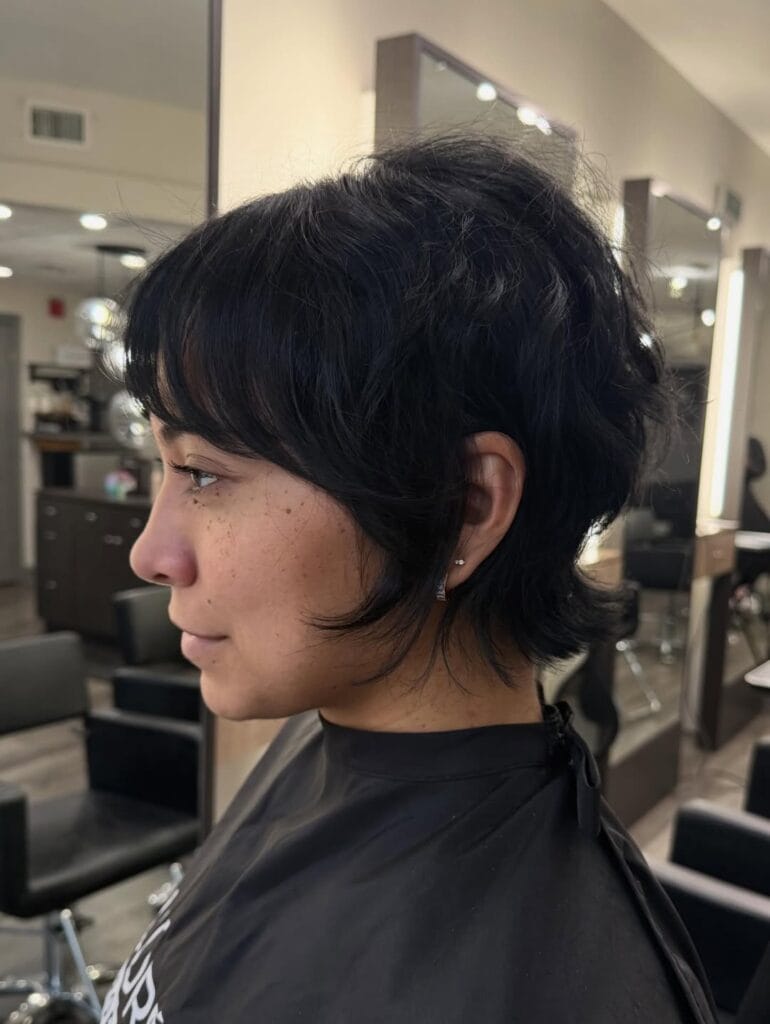
This short textured bixie cut sits right around the nape with soft, choppy layers that give the hair a light and airy feel. The dark natural color keeps it rich and glossy while the slightly tousled texture adds movement and shape around the crown and sides. Wispy fringe and tapered pieces near the ears frame the face in a relaxed, effortless way.
I love how this cut feels playful without being high maintenance. The layers give my hair natural volume so it never falls flat, which is perfect when I am growing out a shorter cut. It has that cool undone vibe that still looks styled even when I barely try.
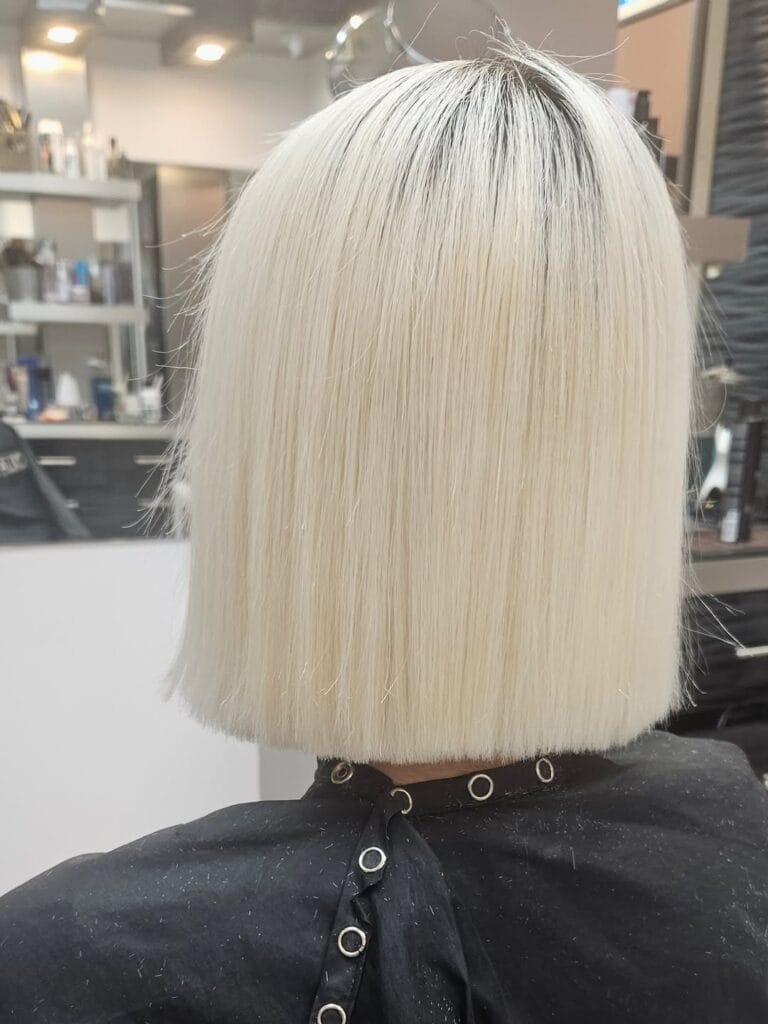
This sleek chin length bob features ultra straight hair cut into a crisp blunt line that sits neatly along the jaw. The texture looks smooth and polished with minimal layering, while the icy platinum blonde color adds a bold, modern edge that really makes the clean shape stand out.
I love how a blunt bob like this instantly makes my hair look thicker and healthier. It feels fresh, stylish, and super easy to manage, which is exactly what I want when I am growing my hair out but still want it to look intentional and put together.

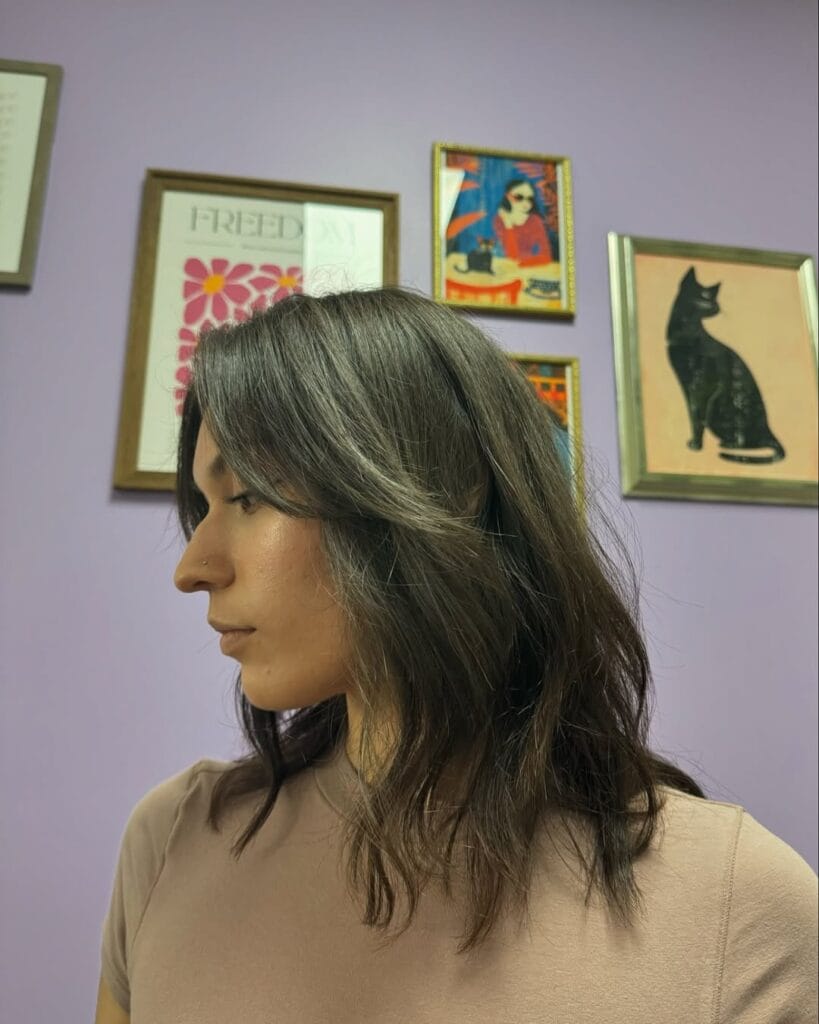
This shoulder length shag has soft, feathery layers that create natural movement and light volume. The texture is airy and slightly tousled, with gentle waves that frame the face beautifully, while the curtain bangs blend smoothly into the layers. The cool silver gray color gives it a fresh, modern feel that looks polished without feeling too styled.
I love how this kind of cut keeps my hair feeling light and full while it grows out. The layers add shape so it never falls flat, and the curtain bangs soften everything around the face. It is one of those styles that looks good even on low effort days, which honestly makes getting ready a lot more fun.
This collarbone length cut sits right in that sweet spot between short and long, which makes it perfect for the awkward grow out stage. The hair has soft layers that add movement and light texture, with loose natural waves that keep it relaxed and airy. The deep brunette color with subtle dimension makes the layers pop while the gentle side part frames the face in a really flattering way.
I love this kind of length because it still feels styled even when my hair is growing out and doing its own thing. The soft layers stop it from looking heavy and the waves make everything look a little effortless and lived in. It is the kind of hairstyle that makes me feel put together even on days when I barely touched a brush.
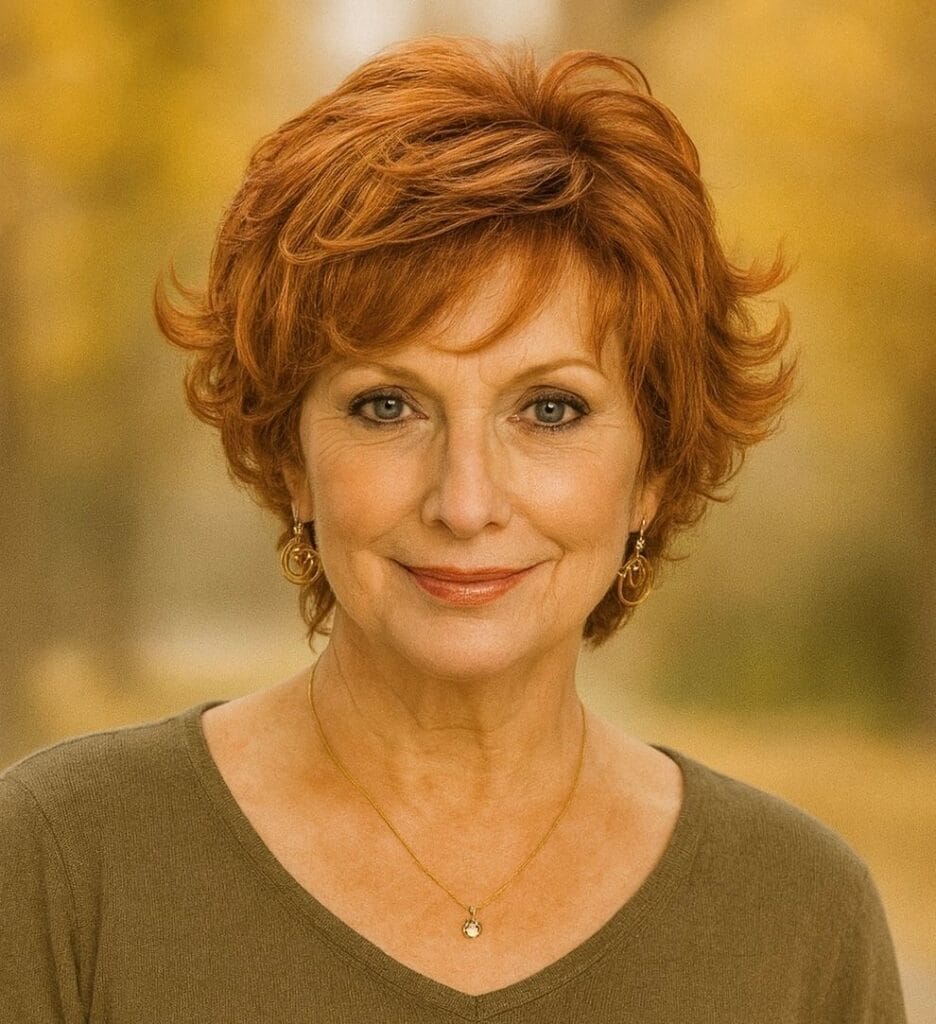
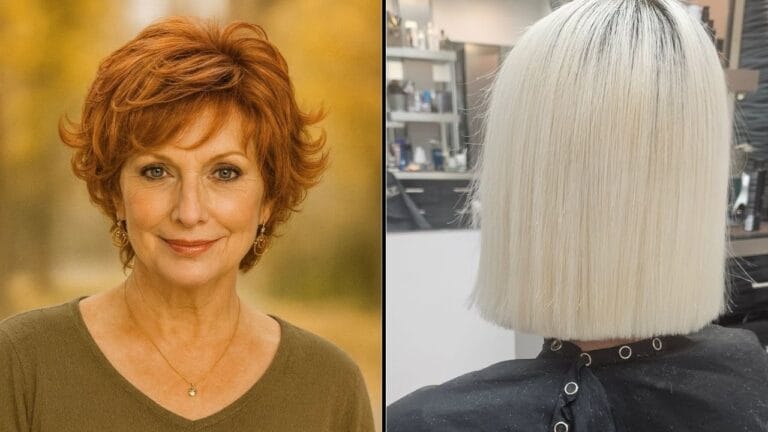
This hairstyle sits at a soft short length with lots of airy texture and light layers that give the hair natural movement. The shape is slightly tapered around the nape while the top and sides stay fuller, creating that fluffy, feathered look that feels lively instead of flat. The warm copper red color adds brightness and makes the layers pop beautifully in the light.
I love a cut like this when growing hair out because it keeps everything looking intentional instead of awkward. The soft layers give my hair bounce and shape even on low effort days, which makes styling feel easy and forgiving. It is the kind of haircut that makes me feel polished but still relaxed and natural.
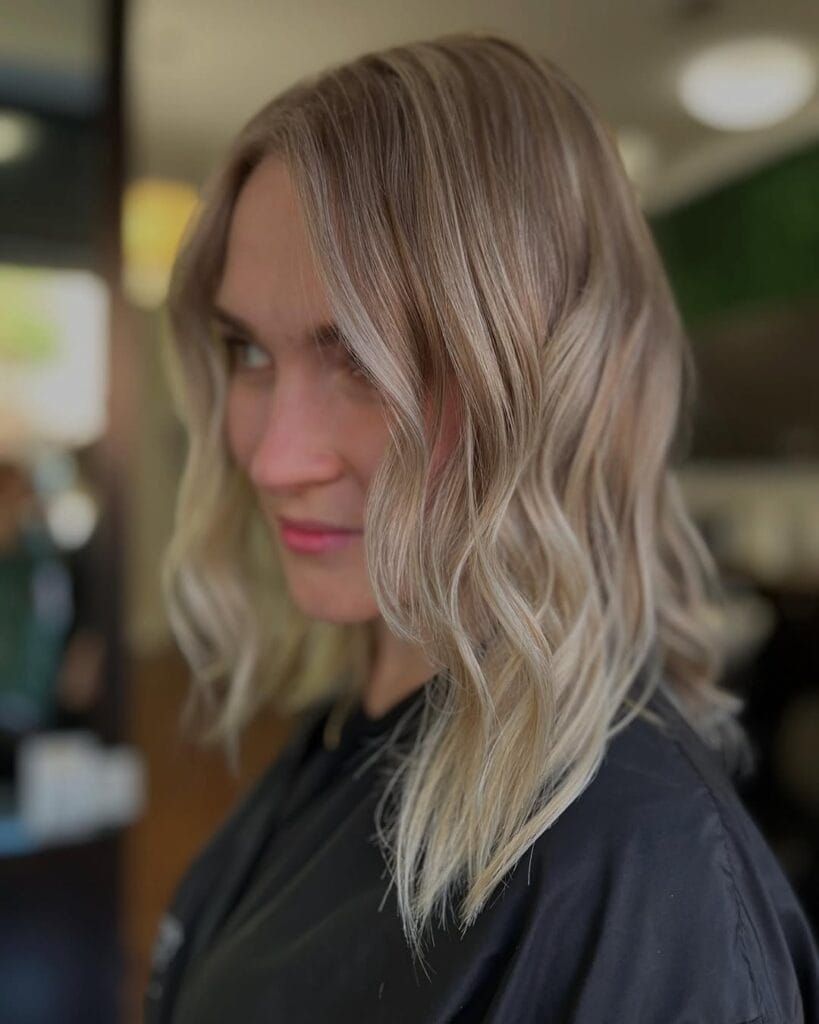
This mid length cut sits right around the shoulders with soft, natural waves that give the hair a relaxed, airy feel. Subtle layers keep the ends light and slightly textured, while the creamy blonde balayage blends into brighter pieces near the front for a soft face framing glow. A gentle side part adds movement and gives the whole style an effortless, lived in finish.
I love this kind of length when growing my hair out because it still feels styled without needing a lot of effort. The waves give just enough shape so it never looks flat, and those lighter front pieces brighten everything up around my face. It is the kind of haircut that looks good even on days when I barely try.
Common Mistakes To Avoid During The Process
One of the biggest mistakes I see is the “No-Cut Lockdown.” Women decide they want long hair and then refuse to see a stylist for a year. By the time they finally come in, the bottom three inches are so shredded and thin that we have to cut them off anyway. You aren’t actually gaining length if the ends are breaking off at the same rate the roots are growing.
Another error is sticking to the same part for the entire year. As your hair grows, the weight changes. A center part might look great when your hair is chin-length, but as it hits your shoulders, it might start to look flat. Flipping your hair to a deep side part can instantly create volume and hide the fact that your layers are currently at an awkward height.
Avoid over-relying on ponytails. Constant tension in the same spot can lead to “traction breakage,” especially on the fine hairs around your face. If you need your hair out of your face, try using small claw clips or loose braids instead.
How This Works For Women Over 50
Growing hair out later in life comes with its own set of rules, mostly because hair texture often changes as we age. I see many women over 50 find that their hair becomes slightly more coarse or thinning at the temples during a grow-out. To combat this, the “shaping” appointments become even more vital to ensure the hair doesn’t look “scraggly.”
Focus on “internal layers” that provide lift at the crown. This prevents the length from dragging your features down. I also suggest playing with color during a grow-out. Adding some soft highlights around the face can distract the eye from an awkward length and give the hair a sense of movement and health.
If you are embracing your natural gray, keep in mind that gray hair reflects less light. Use a clear gloss or a lightweight hair oil during the transition to keep the growing lengths looking intentional and polished rather than dull.
Solving Common Grow-Out Frustrations
My hair is flipping out at the shoulders and I hate it. What do I do? This is a classic milestone. Instead of fighting it, lean into it. Use a round brush to intentionally flip the ends out for a retro, 60s-inspired look, or use a curling iron to create waves that disguise the flip.
How often should I actually get a trim? For a grow-out, aim for every 10 to 12 weeks. This is long enough to see real progress but frequent enough to reshape the weight and keep the ends clean.
What if I have bangs and I want to grow them out too? Start by turning them into “curtain bangs” that blend into the sides. As they get longer, you can start tucking them behind your ears or braiding them into your hairline.
Is it true that scalp massages make hair grow faster? While they won’t double your growth rate, they do increase blood flow to the follicles and help with scalp health. It’s a great habit, even if it only provides a marginal gain in speed.
My hair feels so thin now that it’s longer. Why? As hair grows, the “older” hair at the bottom has been through more styling and weathering. You likely need a “dusting” to thick up the perimeter or a few shorter layers to create the illusion of density.
Can I use extensions while I grow my hair out? Yes, but be careful. Clip-in extensions are great for special occasions, but permanent extensions can sometimes cause stress on the roots if your hair is already fine or fragile.
Why does my hair seem to stop growing at my shoulders? Hair doesn’t usually stop growing, but this is the area where it rubs against your clothes and jewelry most often. This causes breakage. Wear your hair up more often and use a leave-in conditioner to protect the ends.
How can I hide my “mullet” back while the front catches up? Ask your stylist to keep the nape of your neck cut very short and tight while the top and sides grow. This creates a “stacked” look that eventually turns into a bob.
Similar Approaches To Explore
- The “Bixie” Cut: A hybrid between a pixie and a bob that is the perfect intentional style for someone moving from short to mid-length.
- Invisible Layers: A cutting technique that removes bulk from the inside of the hair without changing the look of the length.
- The Shadow Root: A coloring technique that allows your natural color to grow in gracefully, making the grow-out process feel more stylish.
- Long Shag: A great option for those who want length but have a lot of natural texture that needs to be managed through heavy layering.
