

I often notice that the most talented stylists and the most excited clients can still end up in a state of total disconnect because they are essentially speaking two different languages.
It is fascinating how a word like “trim” can mean half an inch to one person and three inches of dead ends to another.
I once saw a woman bring in a photo of a platinum blonde pixie cut when she actually wanted the voluminous layers of a brunette blowout, proving that we often look at the vibe of a photo rather than the actual haircut.
Taking the time to bridge that communication gap is the single most effective way to ensure you never have to cry in your car after a salon appointment again.
Why Great Communication Is the Secret to a Great Cut
The core idea behind a successful salon visit isn’t actually about the scissors or the dye. It is about the consultation. Most people are surprised that a stylist can usually tell within the first three minutes if a client is unsure of what they want. When you walk into a salon, you are asking a professional to interpret your personality and lifestyle through your hair. This works best when you provide the right context.
I often see clients focus entirely on the “what” instead of the “why” behind a look. For example, if you want a bob because you think it will be faster to style, but your hair texture actually requires twenty minutes of flat-ironing to look like the photo, the haircut itself is a failure for your life. A good consultation uncovers these traps before the first snip happens.
Common variations of this process usually involve a “wish list” versus a “reality check.” Some women come in with a very rigid idea of a celebrity look, while others are too vague, simply asking for “something different.” The most successful appointments happen right in the middle. You bring the inspiration, and the stylist brings the technical expertise to make it work for your specific face and hair type.

How to Know if Your Vision Is Realistic for Your Life
Before you even book the appointment, you need to decide if the look you want actually fits who you are on a Tuesday morning at 7:00 AM. Face shape and hair texture are the physical foundations, but your lifestyle is the emotional foundation. If you are someone who hits the gym every day and needs to throw your hair into a ponytail, a chin-length blunt bob is going to be a daily source of frustration.
Maintenance level is the most honest conversation you need to have with yourself. Some cuts look incredible because they were styled by a professional for an hour. I see many women choose high-maintenance shag cuts or heavy bangs without realizing they will need a trim every four weeks to keep the look intentional. If you prefer visiting the salon twice a year, you should be looking at long layers or lived-in color techniques.
The pros of a well-chosen style are immediate confidence and ease of use. The cons usually only appear when the “fit” is wrong. For instance, a very short pixie is low-effort for daily washing but high-effort for salon frequency. A long, one-length cut is low-frequency for the salon but takes much longer to dry and style at home. Thinking through these trade-offs helps you narrow down what to actually ask for.
Giving Your Stylist the Right Information
The biggest mistake I see in the chair is a client using “hairdresser speak” incorrectly. You might ask for “thinning out” when you actually want “texture,” or you might ask for “layers” when you really just want the ends to feel less heavy. To describe your desired direction clearly, focus on how you want the hair to feel and move rather than using technical terms you heard on a video.
Try using phrases like “I want to keep the length below my collarbone, but I want it to feel lighter around my face” or “I need a style that works with my natural wave because I don’t use a blow dryer.” These descriptions give the stylist a functional goal. When it comes to reference photos, bring at least three. Point out exactly what you like in each one. Maybe you love the bangs in the first photo, the length in the second, and the color in the third.
Avoid the “vague hands” trap where you gesture wildly around your head. Instead, use your hands to show exactly where you want the shortest layer to hit. Warning your stylist about your “hair history” is also vital. If you had a bad experience with layers being too short in the past, say so. If you have a cowlick that drives you crazy, point it out. This prevents the stylist from making a choice that triggers a past hair trauma.
Managing Your Hair Once You Leave the Chair
Daily styling is where the real test of a haircut happens. A practical routine for a fresh cut should involve the right products first and tools second. Most people over-rely on heat because they aren’t using a primer or a leave-in conditioner that supports their hair’s natural behavior. For a fast, realistic routine, focus on “strategic styling.” This means only using heat on the top layer or around the face to save time and hair health.
If you have more time, a detailed routine involves sectioning the hair and using a round brush or a specific wand to enhance the shape your stylist created. Tools like a high-quality microfiber towel and a wide-tooth comb are often more important than expensive curling irons. They prevent frizz and breakage before the styling even begins.
For heat-free days, I often recommend “overnight styling” like soft braids or silk rollers. This allows the haircut to take shape while you sleep. Most cuts grow out in stages. A bob will eventually become a lob, and layers will eventually blend into the length. Knowing this helps you plan your next visit. If your hair starts to feel “heavy” or “triangular” at the bottom, it is usually a sign that your layers have grown past their intended balance point.
Common Mistakes to Avoid During Your Appointment
One of the most frequent errors is not being honest about your styling habits. If you tell your stylist you “style your hair every day” just to sound put-together, they will give you a cut that requires it. When you get home and realize you actually only have five minutes for hair, you will hate the result. Be brutally honest about how much effort you are willing to put in.
Another mistake is wearing bulky clothing to the salon. A thick hoodie or a high turtleneck can actually change how your hair sits on your shoulders, which affects the accuracy of the cut. Wear something with a simple neckline so the stylist can see the natural fall of your hair against your frame.
Lastly, do not be afraid to speak up during the process. If you see the stylist picking up a pair of thinning shears and you hate how those make your hair feel, say something immediately. It is much easier to change course in the middle of a cut than to try to fix it once the hair is already on the floor.
Inspiration Gallery: Real-World Communication Successes
These examples show how different textures and lengths look when the communication between client and stylist is clear and intentional.
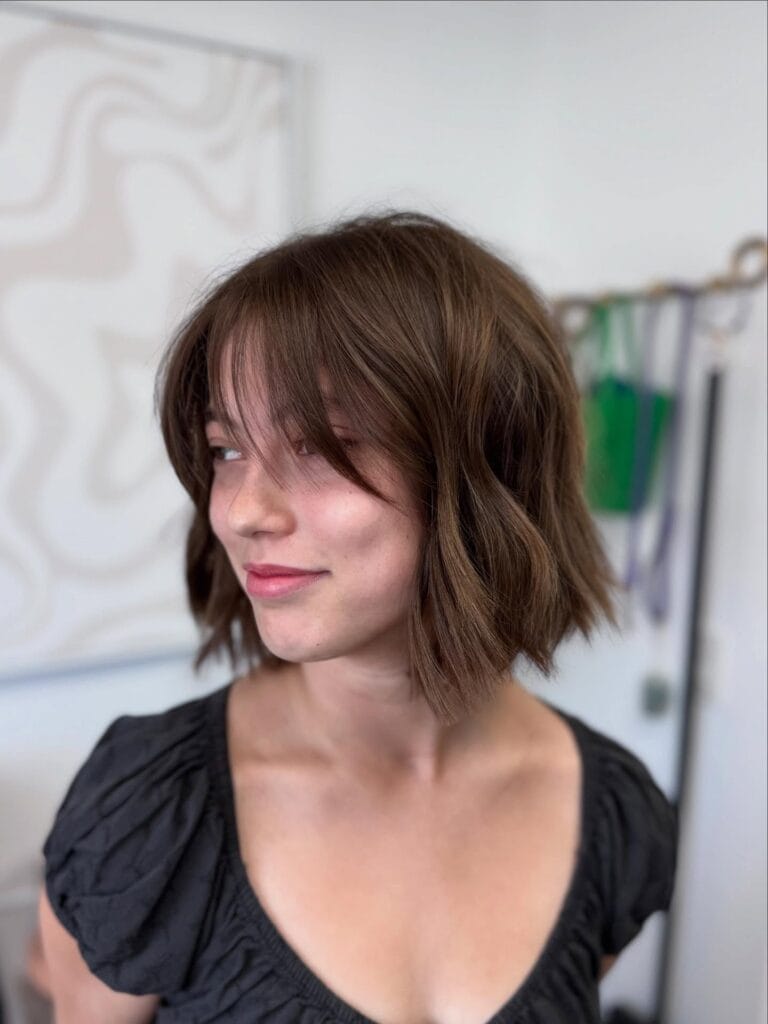
This chin length bob sits right along the jaw with softly textured ends that give the cut a light airy movement. The hair is smooth and straight with subtle layering through the bottom so it never looks too heavy. A wispy fringe frames the eyes while the soft brown tone adds natural warmth and shine.
I love how this kind of bob feels polished without trying too hard. It gives the face a gentle shape and the shorter length makes styling quick and easy in the morning. It is one of those cuts that always looks fresh even with just a quick brush and a little texture spray.
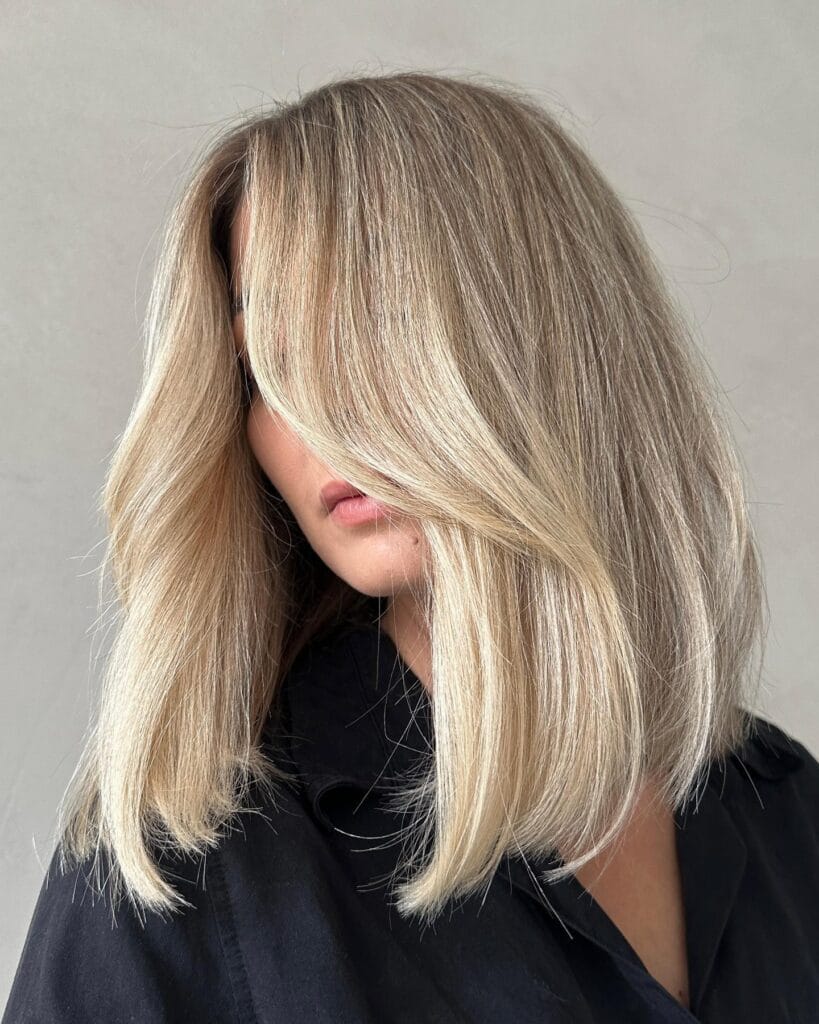
This look features a smooth collarbone length lob with softly textured ends and subtle long layers that keep the shape light and airy. The color blends cool beige blonde with brighter creamy highlights that frame the face and add beautiful dimension. Styled with a deep side sweep and a polished finish, it feels modern, soft, and effortlessly chic.
I love this kind of cut because it instantly makes my hair look fuller while still feeling light and easy to style. The bright face framing pieces catch the light in such a flattering way that my whole complexion looks fresher. It is the kind of hairstyle that looks just as good air dried as it does after a quick blowout, which honestly makes busy mornings so much easier.
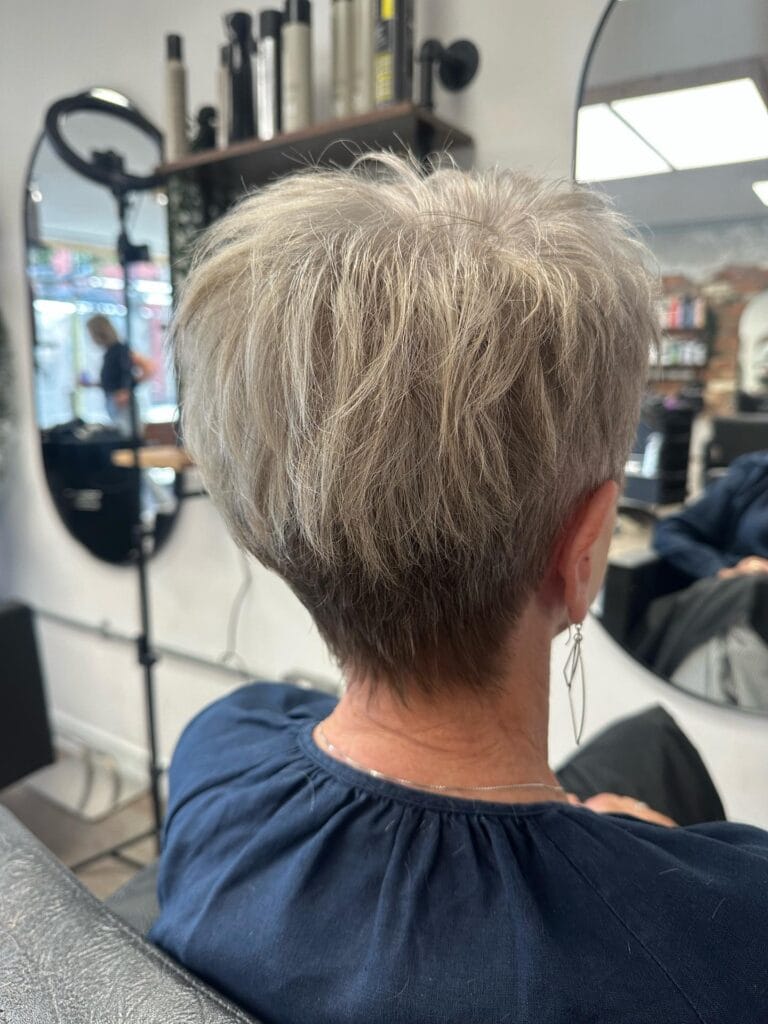
This short tapered pixie is closely shaped around the nape and sides with soft textured layers through the crown. The top has a bit of lift and natural separation which gives the style a light modern feel. The soft silver gray color highlights the layers beautifully and adds dimension to the cut.
I love how a tapered pixie instantly feels fresh and confident. The shorter back keeps everything neat while the layered top adds just enough volume to flatter the head shape. It is such a freeing style that looks chic with almost zero effort.
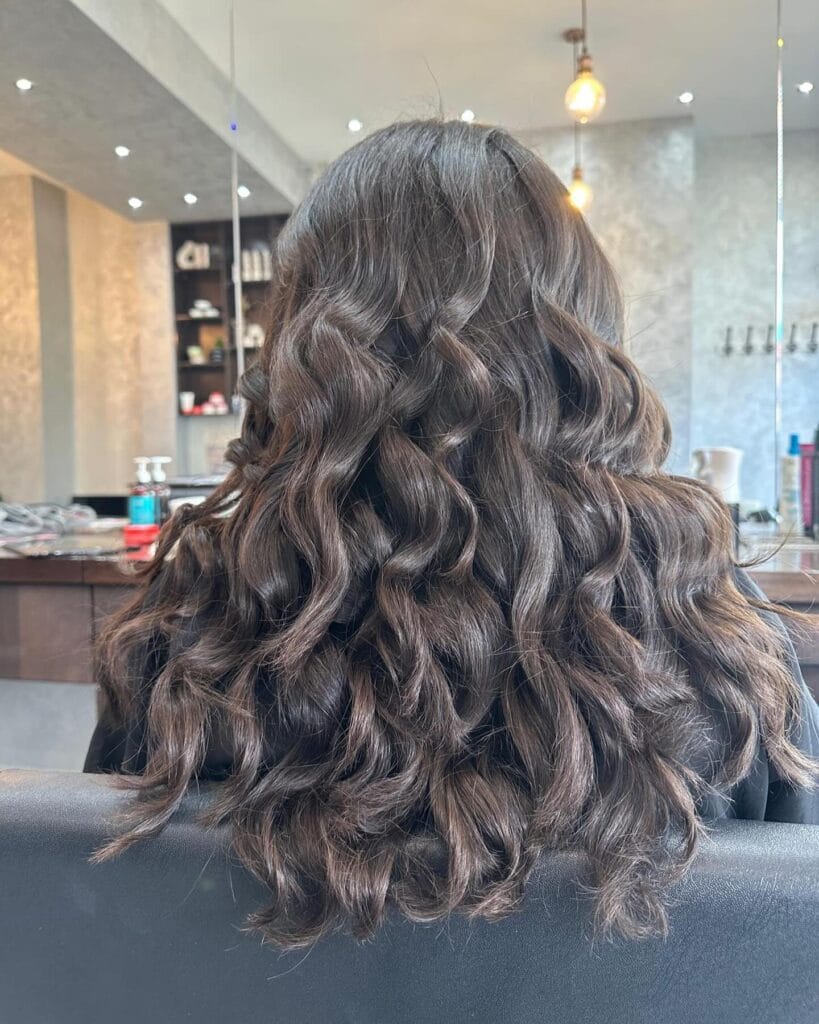
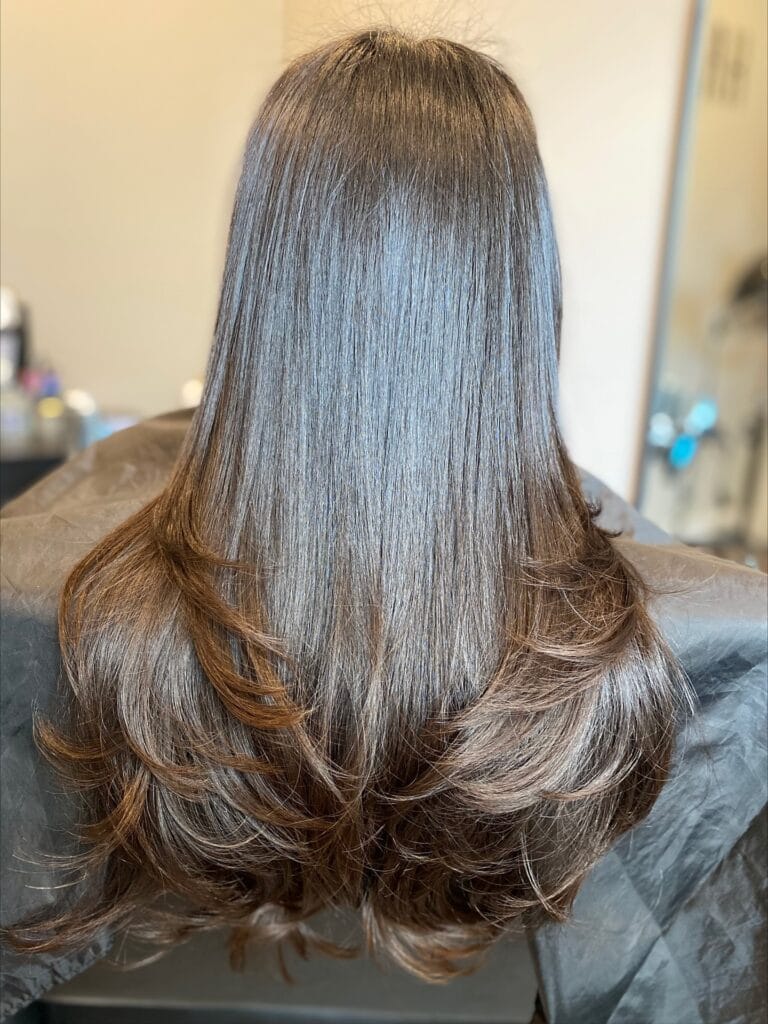
This look features long dark brown hair cut with soft layered shaping that helps natural waves fall in loose, glossy bends. The length sits well past the shoulders and the ends are lightly textured so the curls look airy instead of bulky. The color is a rich espresso brown that adds shine and depth to the flowing waves.
I love how this style feels relaxed but still polished enough for everyday life. When my hair moves like this it looks full and healthy without needing tons of styling. It gives that effortless salon finish that makes me feel instantly put together.
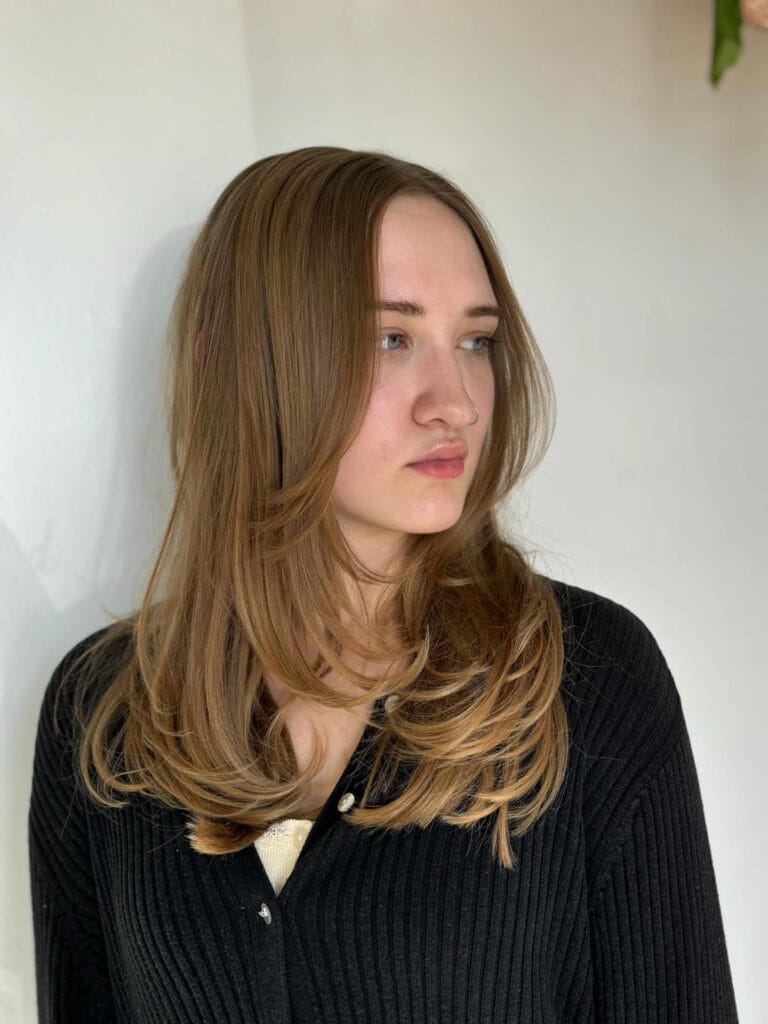
This hairstyle sits around the mid length range with smooth internal layers that create gentle movement through the ends. The front pieces are softly face framing while the rest of the hair stays sleek and lightly feathered. The warm light brown color keeps the look natural and bright with a soft healthy shine.
I like this cut because it gives my hair shape without making it feel thin or overly layered. The front pieces frame my face in a really flattering way which makes styling quick and easy. It is the kind of haircut that always looks neat even when I do almost nothing to it.
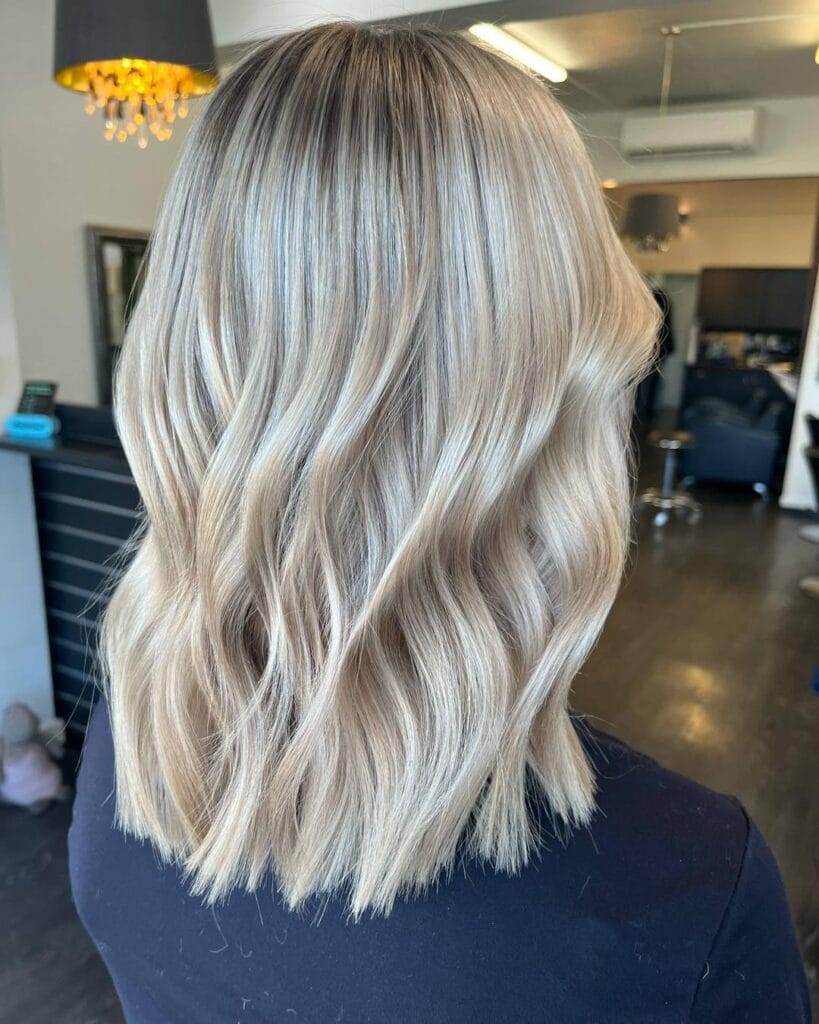
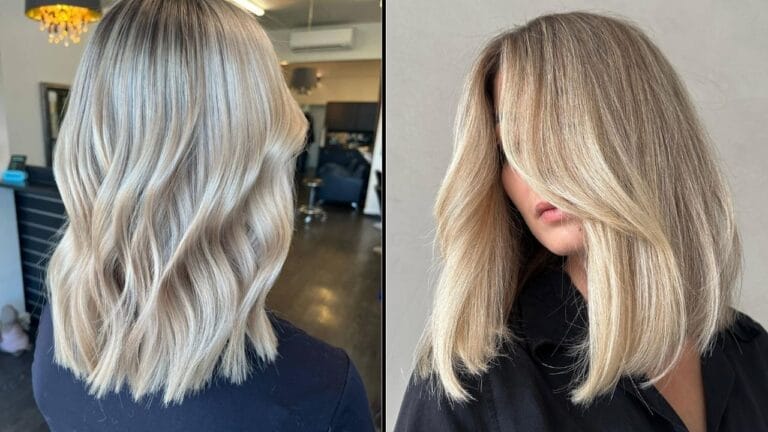
This collarbone length lob has softly textured ends that keep the shape light and modern. Loose waves run through the hair which adds body and movement while the cut stays blunt enough to feel full. The creamy blonde tone with subtle dimension makes the waves pop beautifully.
This style always feels fresh and stylish without trying too hard. I love that the length is long enough to wave but short enough to feel bouncy and easy to manage. It is one of those cuts that instantly makes my hair look thicker and more lively.
How This Works With Gray Hair and Texture Changes
If you are transitioning to gray or already have silver hair, your communication needs to shift slightly. Gray hair often has a different texture than pigmented hair. It can be coarser or more prone to frizz. When talking to your stylist, focus on “moisture” and “shine.” A cut that worked for you ten years ago might need more internal layering now to keep it from looking flat.
I see many women over 50 feel like they have to go shorter, but that is a myth. The key is the “lift.” As we age, the features of the face can naturally pull downward, so you want a haircut that creates upward visual movement. This can be achieved through shorter layers around the cheekbones or a side-swept fringe.
If you are embracing your natural silver, ask your stylist about “toning” services. Even if you aren’t dyeing your hair, a clear gloss or a violet-based toner can keep the gray looking bright and intentional rather than dull. This is a great addition to any haircut appointment to make the new shape really pop.
Your Most Common Questions Answered
What should I do if I hate the cut halfway through? Speak up immediately but stay calm. Point out exactly what is worrying you, such as “It feels a bit shorter than I expected” or “I’m worried about the volume here.”
Is it okay to bring more than one photo? Yes, it is actually better. Multiple photos help the stylist see the “common thread” in what you like, whether it is the texture, the fringe, or the overall vibe.
What if I don’t know the name of the style I want? Don’t worry about the name. Describe the “feeling” instead. Use words like “edgy,” “soft,” “professional,” or “low-maintenance.”
Should I wash my hair before I go to the salon? Most stylists prefer to see your hair in its natural state or how you usually style it. It helps them understand your natural growth patterns and cowlicks.
How much should I really expect to spend on products? You don’t need a ten-step system. Ask for the “top two” products that are essential for the specific cut you just received.
How do I tell my stylist their last cut didn’t work for me? Be direct but kind. Say “I loved the length last time, but I struggled to style the layers at home. Can we try something a bit heavier this time?”
Can a haircut really change my face shape? A haircut can’t change your bone structure, but it can certainly change the proportions. For example, bangs can shorten a long forehead, and layers can add width to a narrow face.
How often should I actually get a trim? For short hair, every 4 to 6 weeks. For mid-length, 8 to 10 weeks. For long hair, 12 weeks is usually the limit before the ends start to lose their shape.
Other Options to Explore
If you are still on the fence about a major change, consider these related approaches:
- The “Invisible” Trim: This is perfect if you want to keep your length but need to remove damage. It keeps the shape exactly the same while refreshing the ends.
- Face-Framing Bits: If you aren’t ready for full bangs, asking for “bits” or “tendrils” around the face can change your look without a huge commitment.
- Internal Texturizing: This is for people who love their current length but feel like their hair is too “heavy” or “blocky” at the bottom.
- A “Style-Only” Appointment: If you are unsure about a cut, book a blowout. Ask the stylist to style your hair in the way the new cut would look to see if you like the vibe.
- The “Long-Term” Grow Out: If you are moving from a short cut to a long one, ask for a “transitional shape” so you don’t hit that awkward shaggy phase.
