

I see so many women walk into the salon feeling like they have to choose between looking “age-appropriate” and looking like themselves.
There is a beautiful middle ground where a haircut does the hard work for you so you don’t have to spend forty minutes with a round brush every morning.
Modern styling for women in their 60s and 70s has shifted toward movement and touchable textures rather than the stiff, sprayed silhouettes of the past.
I love seeing the look of relief on a client’s face when they realize they can have a “cool” haircut that actually behaves when they air-dry it.
Why Softness Is The Secret To Great Hair After Sixty
The core idea behind this approach is moving away from sharp, harsh lines that can make features look tired or stern. As we move through our 60s and 70s, our hair texture often changes, sometimes becoming finer or more wiry, and a soft cut works with those changes instead of fighting them. I often see women try to cling to the heavy, blunt styles they wore in their 30s, but those can often feel “heavy” on the face.
A soft style usually relies on “interior layering” which is a technique where the weight is taken out from the inside of the hair. This allows the hair to have lift at the root without looking like a helmet. Most people are surprised that adding more layers can actually make thin hair look thicker because it prevents the hair from lying flat and limp against the scalp.
These styles suit almost everyone because they are entirely customizable to your specific face shape. If you have a square jaw, we soften the corners with face-framing pieces. If you have a longer face, we add volume at the sides to create balance. It is about creating a frame for your face that feels airy and light.

How To Know If This Low-Fuss Approach Fits Your Life
Choosing a softer, easier style is mostly about how you want to spend your Tuesday mornings. If you enjoy the ritual of a complex blowout, you can still do that, but these cuts are designed for the woman who wants to wash, apply one product, and go. I find this approach is perfect for women who have noticed their hair getting thinner or more brittle, as it requires less heat and manipulation.
Your hair texture plays a big role in how these cuts “settle” once you leave the chair. Wavy hair thrives with soft layering because it gives the curls a place to sit without stacking up into a triangle shape. If your hair is very straight, the softness comes from “point cutting” the ends so they don’t look like a straight shelf.
The maintenance level here is very manageable. You are looking at a salon visit every six to eight weeks to keep the shape from getting shaggy. The pros are plenty: less heat damage, faster mornings, and a look that grows out much more gracefully than a precision blunt cut. The only real con is that you can’t go six months without a trim, or the “softness” just starts to look like “messiness.”
Making The Most Of Your Gray Or Silver Texture
Many women in their 60s and 70s have embraced their natural silver, which is a stunning look but comes with its own set of rules. Gray hair lacks pigment, which often makes it feel coarser or more prone to frizz than your previous color. I notice that silver hair reflects light differently, so a soft, layered cut helps create “shadows” and depth that make the silver look intentional and expensive.
If you are transitioning to gray, a soft, textured cut is your best friend. It breaks up the “line of demarcation” where your old color meets your new growth. Instead of a solid block of two different colors, the layers blend the tones together. It makes the whole process feel like a style choice rather than an awkward phase.
I always suggest using a clear gloss or a very light violet-toning cream once a week. Gray hair can turn yellow from sun exposure or even minerals in your water. Keeping the tone cool and the texture soft ensures that your hair looks bright and healthy rather than dull.
How To Talk To Your Stylist About Getting This Look
Communication at the salon often fails because “short” or “layered” means something different to everyone. When you sit in the chair, avoid using vague terms and instead focus on how you want the hair to behave. Tell your stylist you want “movement without bulk” or “shattered edges” rather than “blunt ends.”
I always appreciate it when a client brings photos, but try to find photos of women who have a similar hair thickness to yours. If you have fine hair and bring a photo of a thick-haired woman with a massive shag, you might be disappointed with the result. Point to the specific parts of the photo you like, such as “I love how these pieces hit her cheekbones” or “I like that her ears are covered.”
Be honest about your styling habits. If you never use a blow dryer, tell them that. A good stylist will cut the hair differently if they know it needs to look good air-dried. Warn them if you have any “problem areas” like a stubborn cowlick at the crown or thinning at the temples so they can cut the layers to camouflage those spots.
How To Live With Your New Style Day To Day
The daily reality of a soft, low-fuss cut is remarkably simple. For a fast, realistic routine, start with damp hair and apply a small amount of styling cream or mousse. Use your fingers to “scrunch” the hair slightly at the roots for lift and let it air dry. If you have a few pieces that look wild, you can use a large-barrel curling iron for just ten seconds on those specific spots once the hair is dry.
When you have more time and want to look polished, use a round brush only on the top section of your hair. This creates height where it matters most while letting the rest of the hair maintain its natural, soft texture. You don’t need to do the whole head to look “done.”
I highly recommend investing in a good dry shampoo and a lightweight hair oil. The dry shampoo is great for day-two volume, and a tiny drop of oil on the ends of your layers will keep them looking defined and “piecey” rather than frizzy. As this style grows out, it usually maintains its shape well because the edges are already soft, so you won’t get that “heavy” feeling at the bottom quite as quickly as you would with a bob.

Inspiration Gallery: Real Soft Styles For Real Life
These looks focus on variety, showing how “soft and easy” can work for different lengths and starting points.

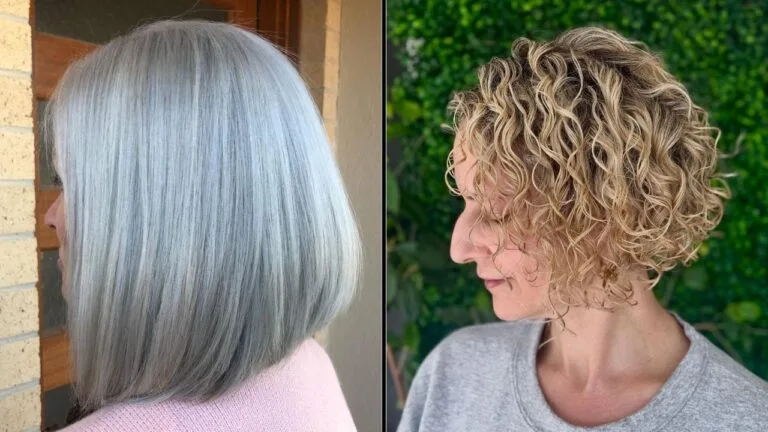
This chic chin length bob has a clean rounded shape with subtle layers that help the hair curve softly under the jawline. The bright silver color gives it a sleek polished finish while the light fringe across the forehead softens the overall look. It is smooth, refined, and beautifully balanced around the face.
I adore a bob like this because it instantly makes me feel stylish and confident. The length lifts the face and the fringe adds a little softness that keeps it from looking too strict. It is the kind of haircut that looks elegant even on very simple days.

This shoulder length style features soft layers that fall smoothly around the face with lightly feathered ends that flick out just a touch. The natural gray blend adds beautiful dimension while the gentle layering keeps the shape from feeling heavy. It has that relaxed movement that makes mid length hair feel light and modern.
I always feel like a layered cut like this gives me the best of both worlds. I still have some length to play with but the layers keep everything soft and lively. It frames the face so nicely that it almost feels like built in styling.

This short pixie has a soft, rounded shape with plenty of light texture through the crown and a gentle side fringe that sweeps across the forehead. The cool silver tone brightens the whole look while the layered top keeps the hair airy and easy to style. It sits neatly around the head which gives it that tidy yet modern feel.
I love a pixie like this because it feels polished without demanding much effort in the morning. A little finger styling and it already looks put together which makes it perfect for days when I want style but not the fuss. It also opens up the face in such a fresh flattering way.

This mid length silver style features smooth straight strands with gentle layering and a soft side swept fringe. The bright silvery white color gives the hair a luminous glow while the layers keep the shape light and natural. It frames the face beautifully without feeling stiff or overworked.
I love how the side fringe softens the face and adds just enough shape without fussing with it all day. The length feels comfortable and easy while still looking elegant. It is one of those styles that makes silver hair feel truly chic.

This neck length curly cut is full of natural texture with soft loose spirals that create lovely volume around the head. Light blonde highlights weave through the curls which adds brightness and depth. The rounded shape keeps the curls lively while staying easy to manage.
I always feel like curls this length have such a fun personality. The volume lifts my face and the lighter highlights make everything look fresh and youthful. Best of all I can let the curls do their thing and still look styled.

This sleek mid length cut falls just below the shoulders with smooth straight strands and softly feathered ends that keep the shape light and airy. The cool silver tone looks luminous and natural while the subtle layering prevents the hair from feeling heavy. It is polished without looking overly styled which makes it feel modern and effortless.
I love how this kind of cut makes my hair feel neat while still moving naturally. It gives me that clean put together look even on days when I barely style it. The feathered ends keep everything soft around the shoulders which always feels flattering.
Troubleshooting Your Most Common Hair Concerns
My hair feels too “puffy” when it’s short. How do I fix that? This usually happens when there aren’t enough internal layers to take out the weight. Ask your stylist to “thin out” the mid-lengths with thinning shears or a razor. It keeps the length but removes the “triangle” shape.
How do I get volume at the roots without it looking like a 1980s perm? The secret is a root-lift spray applied only to the scalp while the hair is damp. Blow-dry your hair upside down for just two minutes, then flip back over. It creates natural lift that still moves.
What if my hair is too thin for layers? Actually, very few people have hair that is “too thin” for layers. The key is to keep the layers long and subtle. If you cut them too short, you lose the base of the hair, but long layers actually create the illusion of more hair.
My gray hair is very frizzy. Can a soft cut handle that? Yes, but you need moisture. Soft cuts look best when the hair is hydrated. Use a leave-in conditioner every time you wash your hair to weigh down the frizz without flattening the style.
Will a soft fringe make me look younger? It often does because it covers forehead lines and draws attention to the eyes. A “soft” fringe is wispy and see-through, which is much more flattering than a heavy, solid block of hair.
How often should I really wash my hair in my 70s? Most women in this age group find that twice a week is plenty. Your scalp produces less oil than it used to, and washing too often can make these soft styles look flyaway and dry.
Can I wear this look if I have very tight curls? Absolutely. The “softness” comes from the shape of the cut. For tight curls, we use a “carving” technique to ensure the curls sit into each other like a puzzle rather than bouncing off each other.
What is the best tool for an easy morning? A heated round brush is a game-changer. It’s easier to handle than a blow dryer and a separate brush. You just “comb” your hair with it and it smooths the layers in seconds.
Other Options You Might Like
If you aren’t sure a soft layered look is exactly right, you might consider these similar paths:
- The Classic Blunt Bob: This is for the woman who wants zero layers and a very clean, architectural look. It requires more frequent trims but is very “high fashion.”
- The Ultra-Short Pixie: If you want the ultimate ease, going very short removes the need for almost any styling, though it does require a salon visit every four weeks.
- Long Hair with Minimal Face-Framing: If you love your length, you can keep it, but I suggest at least some soft pieces around the face to keep the look from pulling your features down.
- The Shag Lite: This is a more modern, edgier version of the soft layered look with even more texture and shorter layers on top.
