

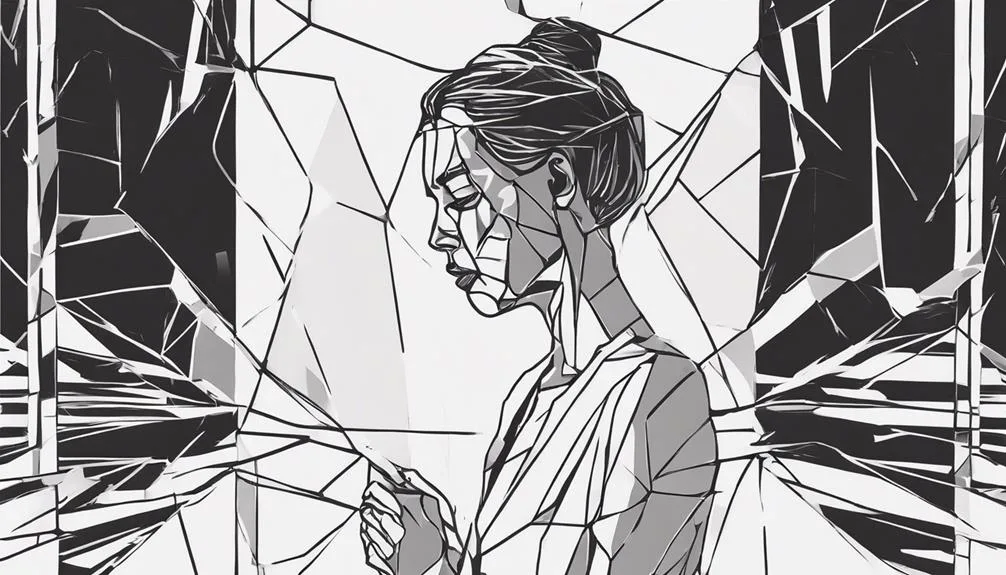
Being in an abusive relationship can make everything feel confusing and hard to see clearly. It’s important to recognize signs like being cut off from friends, experiencing verbal abuse, or dealing with controlling behavior.
Spotting these signs in your own relationship or in someone else’s can be tough. This article will help you understand these key signs of an unhealthy relationship and how recognizing them can help lead to a safer situation.
Key Takeaways
- Abusive partners often isolate victims from support networks to exert control.
- Verbal and emotional abuse, including gaslighting and public humiliation, erodes self-esteem.
- Controlling behavior strips victims of autonomy, dictating social interactions and personal freedoms.
- Physical violence and threats are used to instill fear and maintain dominance.
Isolation From Friends
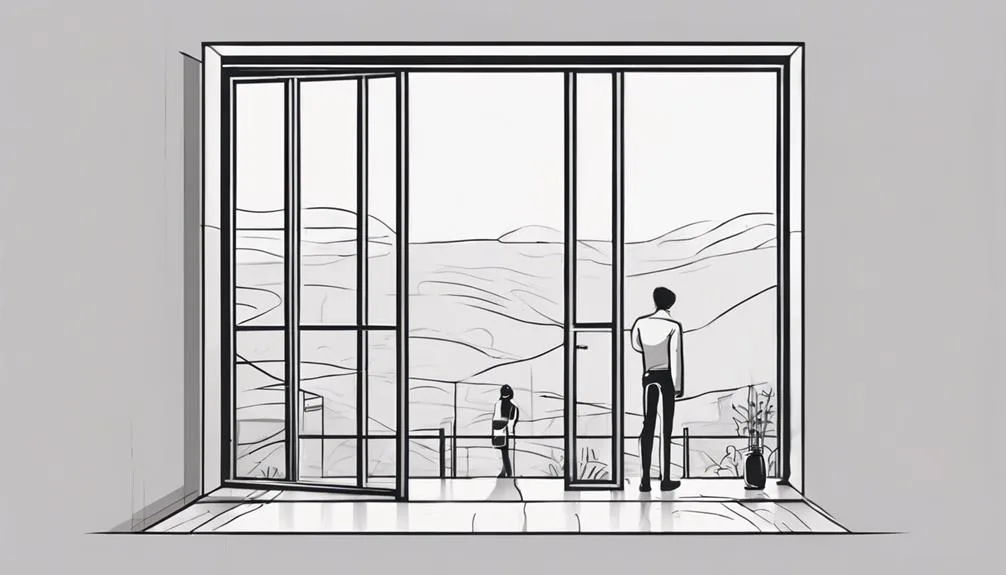
One clear sign of an abusive relationship is when your partner consistently insists on isolating you from your friends. They might start subtly, suggesting you spend more time alone together rather than with your social circle. Before you know it, they’re monitoring your social media interactions, questioning your motives for communicating with others, and creating scenarios that make you second-guess those friendships.
They might even demand access to your accounts to oversee every message, portraying it as a sign of trust. Secret communications with friends become your only way to maintain those connections, but even that feels fraught with risk. This behavior isn’t about protection or love; it’s about control. Recognizing this pattern is vital to addressing the situation.
Verbal Abuse
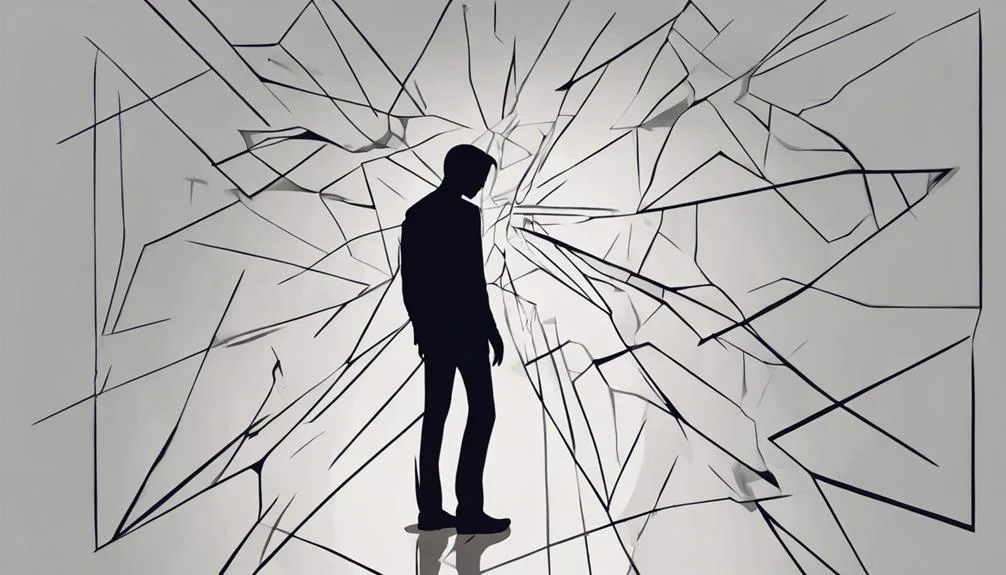
While isolation from friends strips away your support network, verbal abuse directly undermines your sense of self-worth and identity. Your abuser might use words as weapons to control, demean, and belittle you. Recognizing these tactics is important for your mental health and well-being.
- Gaslighting tactics: Making you question your own reality and memories.
- Public humiliation: Degrading you in front of others to erode your confidence.
- Constant criticism: Nothing you do is ever good enough.
- Sarcasm and mockery: Used as tools to belittle your interests and efforts.
- Threats and intimidation: Making you feel unsafe and unsure about expressing yourself.
Understanding these signs can empower you to seek help and reclaim your voice and identity in a relationship.
Controlling Behavior
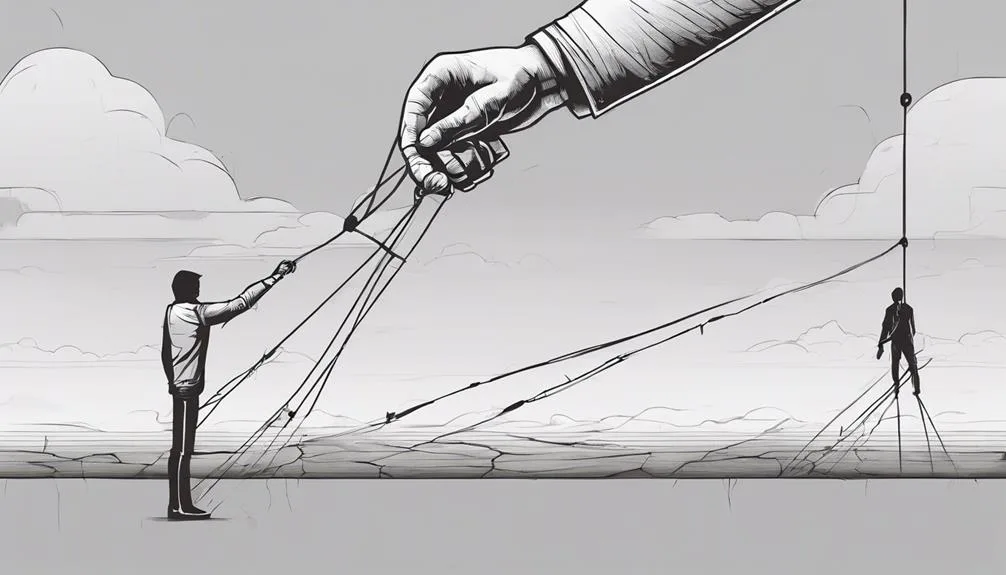
Controlling behavior often manifests in your partner dictating who you can see, what you can do, and even what you wear, stripping away your autonomy inch by inch. This form of manipulation might initially seem like concern, but it quickly escalates into a pattern of privacy invasion. They might go through your phone, demand access to your social media accounts, or insist on knowing every detail of your day.
Unreasonable demands become the norm, not the exception. You’re expected to report your whereabouts, justify your decisions, and align your life strictly according to their expectations. This relentless monitoring and dictation of your life’s every aspect isn’t about love or concern; it’s a clear sign of control, eroding your sense of self and freedom.
Physical Violence
Beyond the domain of manipulation and control, physical violence marks a severe escalation in abusive behavior, directly impacting your safety and well-being. When your relationship crosses into this territory, it’s vital to recognize the signs and take action.
- Injury patterns that don’t match the explanations given
- Sudden increase in accidents or unexplained bruises
- Feeling fearful of your partner’s reactions to the point of altering your behavior
- Pressure to excuse or hide injuries from friends and family
- Isolation from your support network, making it harder to seek help
If you’re noticing these signs, it’s a clear indication that your relationship has become physically abusive. Seeking help is a critical step toward ensuring your safety. Remember, it’s not your fault, and support is available.
Threats and Intimidation
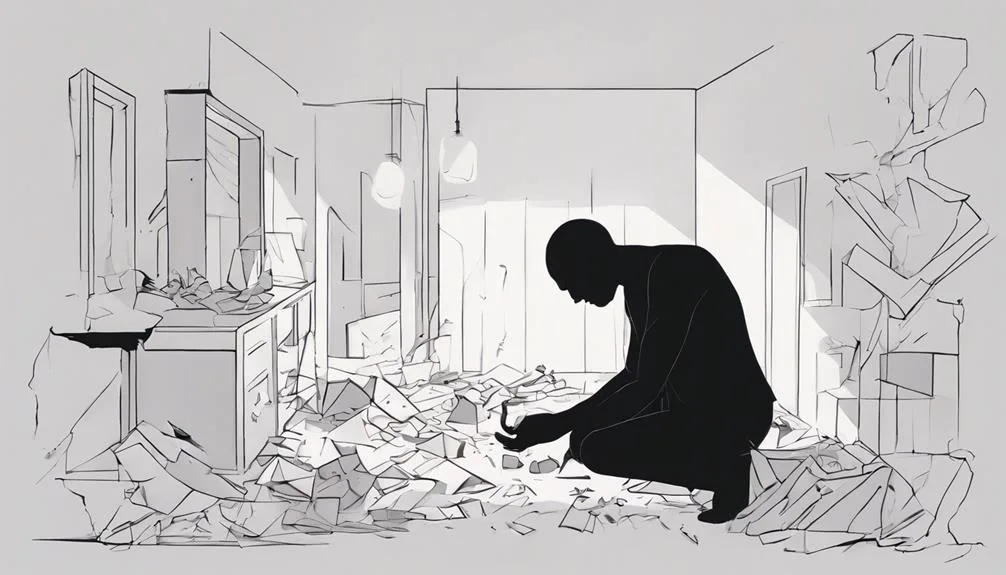
Threats and intimidation often serve as an abuser’s tools to instill fear and maintain control over their partner, signaling a deeply abusive relationship dynamic. If you’re finding that your partner resorts to threatening behavior, whether outright or subtly, it’s a vital flag.
This could range from threats of violence to less direct forms, such as social media stalking, which serves to remind you they’re always watching. Public humiliation is another tactic, used to degrade you and assert dominance, making you feel powerless and isolated.
These actions aren’t just hurtful; they’re designed to keep you in a constant state of anxiety and uncertainty about your safety and standing, both privately and in the public eye. Recognizing these signs is important in seeking help and protecting yourself.
Emotional Manipulation
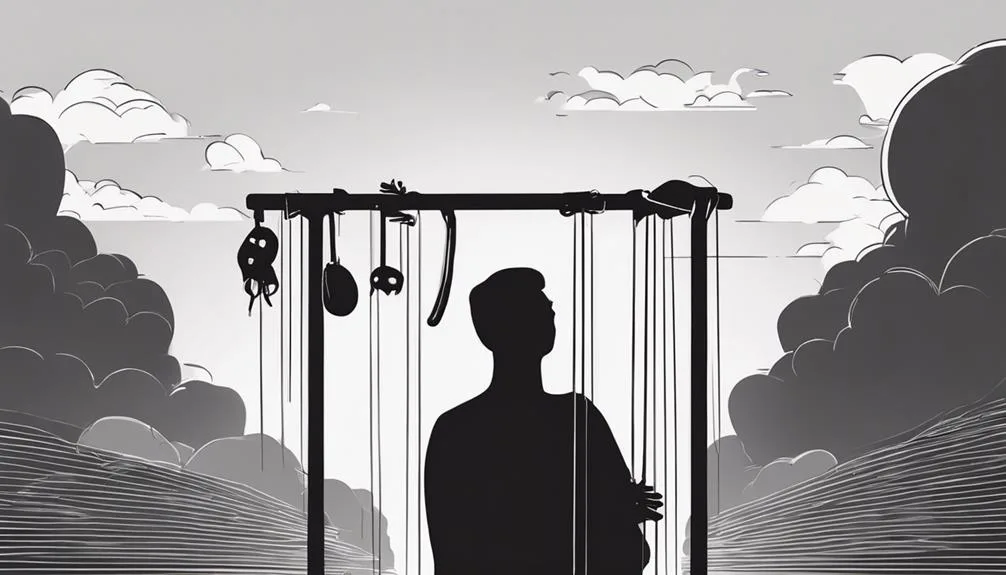
Emotional manipulation often starts subtly, making it hard for you to recognize you’re being drawn into an abusive dynamic. It’s vital you’re aware of the signs so you can protect yourself. Here are some key indicators:
- Gaslighting tactics: Your partner denies your reality, making you doubt your own perceptions and memories.
- Love bombing: Overwhelming affection and attention are used initially, making you feel special before the manipulation begins.
- Isolating you from loved ones: Gradually pulling you away from your support network.
- Constant criticism: Nothing you do is ever good enough, eroding your self-esteem.
- Playing the victim: They twist situations to make it seem like they’re the one being wronged, manipulating your emotions.
Recognizing these patterns is the first step towards seeking help and reclaiming your autonomy.
Financial Control
While emotional manipulation is a common tactic, abusers may also exert their control through managing your finances. They might insist on having joint accounts, yet only they oversee the activity, limiting your access and visibility. This financial tethering is a subtle yet effective method of control, making it hard for you to make independent decisions or even leave the relationship.
Additionally, setting strict spending limits on your purchases, regardless of their necessity, is another red flag. They’ll scrutinize every transaction, questioning your choices and justifying it as concern for your mutual future. But remember, it’s not about financial prudence; it’s about keeping you under their thumb, financially incapacitated and dependent.
Constant Criticism
Constantly facing criticism, you might find your partner frequently belittling your efforts and achievements, making you feel inadequate and unworthy. This relentless negativity can profoundly impact your self-esteem, leading to a noticeable decline in performance whether at work, in studies, or in other areas of life. Recognizing the signs early can be vital for your well-being.
- Constant negativity towards your decisions and choices
- Belittling your achievements and efforts regularly
- Making you doubt your abilities and worth
- Impact on self-esteem leading to a feeling of constant inadequacy
- Decline in performance in various aspects of life due to decreased confidence
Addressing these issues and seeking support is essential in protecting your mental health and reclaiming your self-worth.
Blaming the Victim
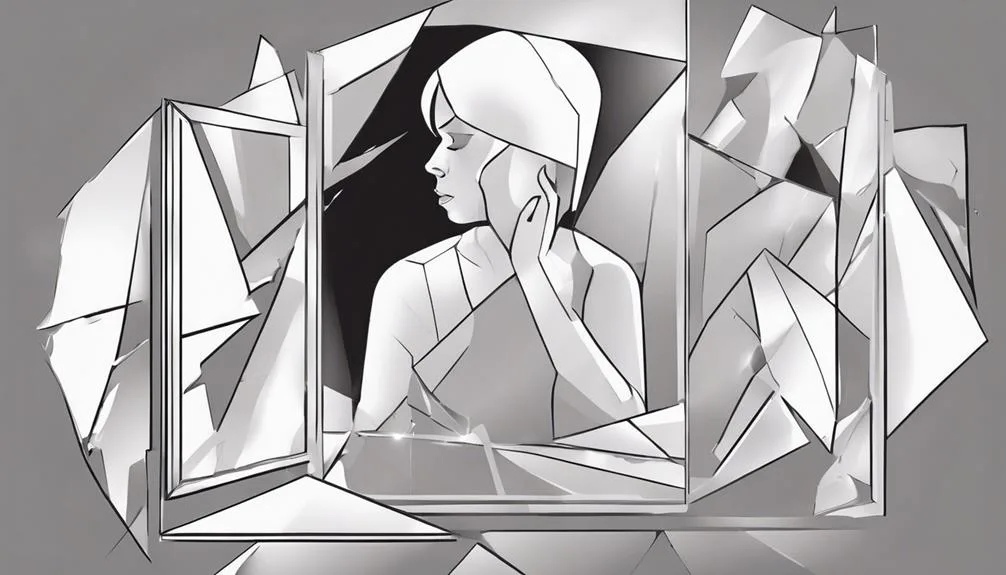
In an abusive relationship, it’s common for the abuser to manipulate situations by blaming you for their own harmful actions. They might use gaslighting techniques, making you question your own memory or perception. For example, if they lash out in anger, they’ll twist the narrative to claim you provoked them, suggesting you’re at fault for their outbursts. This tactic not only confuses you but also wears down your self-esteem, making you more dependent on their version of reality.
Additionally, they may resort to public humiliation, criticizing you in front of others and then blaming you for any negative reactions, claiming you’re too sensitive or misinterpreting their words. This cycle of blame keeps you trapped, constantly trying to defend yourself while they evade responsibility.
Conclusion
Recognizing signs like isolation, verbal abuse, controlling behavior, and others is crucial for your well-being. It’s a stark reminder that you’re not alone and that enduring such conditions isn’t necessary.
Seeking support from friends, family, or professionals marks the beginning of healing. Everyone deserves respect and safety, making it essential to reflect on what steps one can take to reclaim their life.
What actions will you take to ensure your well-being and safety?
