


Sculpted finger waves have such a satisfying shape to them.
I love how those smooth, curved ridges can make a hairstyle feel polished and a little playful at the same time, with that unmistakable 1920s influence.
The look can be neatly defined or softened into something less formal, so there’s more variety here than you might expect.
I’m always drawn to the little details in a wave pattern, and these ideas show just how much personality those curves can bring to a style.
Short Sculpted Finger Waves

Closely cropped waves sweep across the top and sides, with glossy ridges that give this short cut its sculpted shape. The curved hairline details keep the finish neat and connect it to the finger-wave styles of the 1920s.
I’d keep the wave pattern as the focus and let the natural color variation catch the light. This approach suits anyone who enjoys a polished, close-to-the-head style and is happy to shape the waves with styling product.
Sculpted Finger Waves On A Short Bob
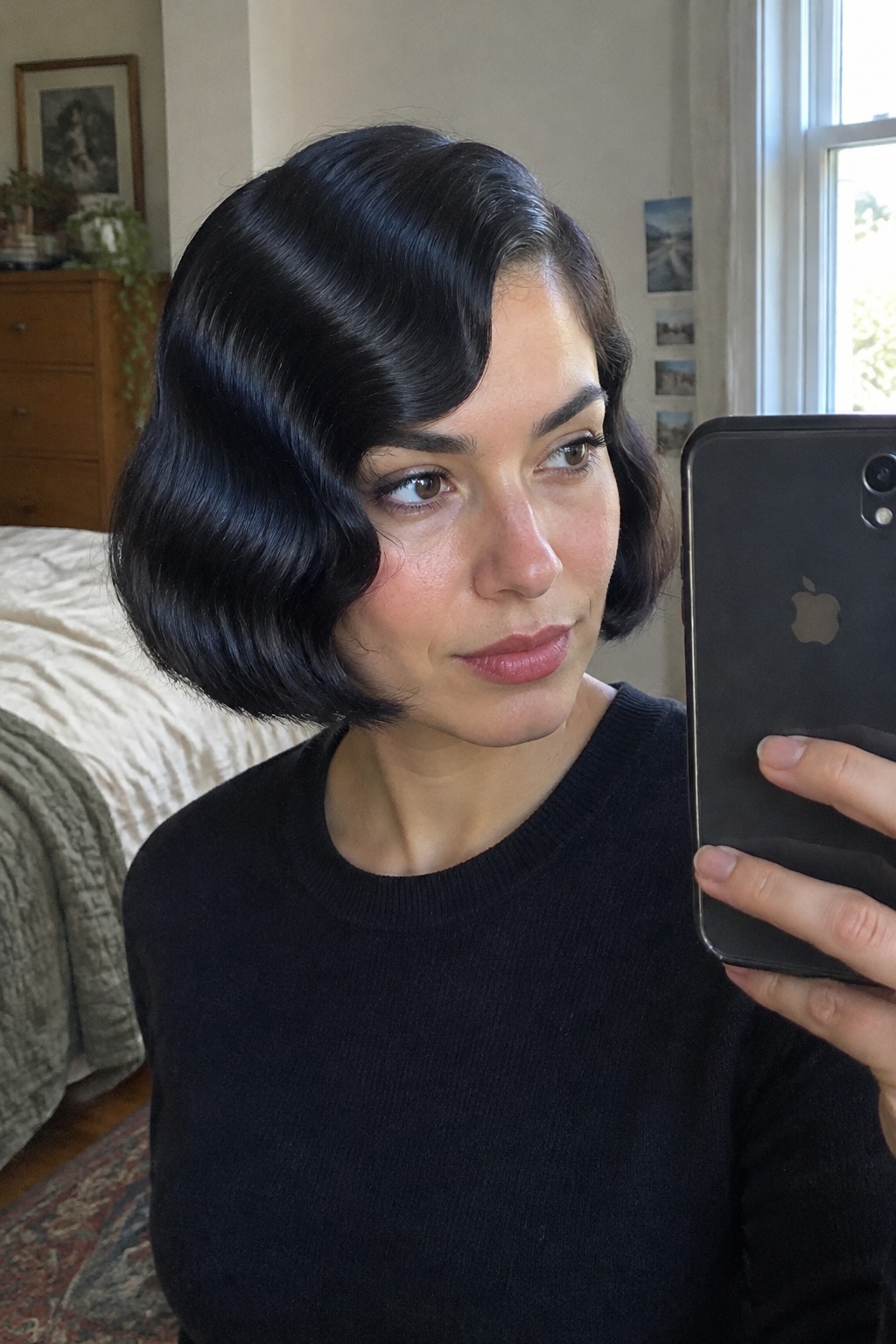
The short bob curves close to the head, with glossy, deep side-parted waves shaping the front and sides. The smooth, sculpted ridges give this 1920s-inspired style its definition without needing much length.
I’d keep the ends tucked into a neat rounded shape so the wave pattern stays the focus. It’s a striking option if you enjoy a polished finish and don’t mind taking time to set the waves.
Long Layered Waves With Sculpted Finger-Wave Sections
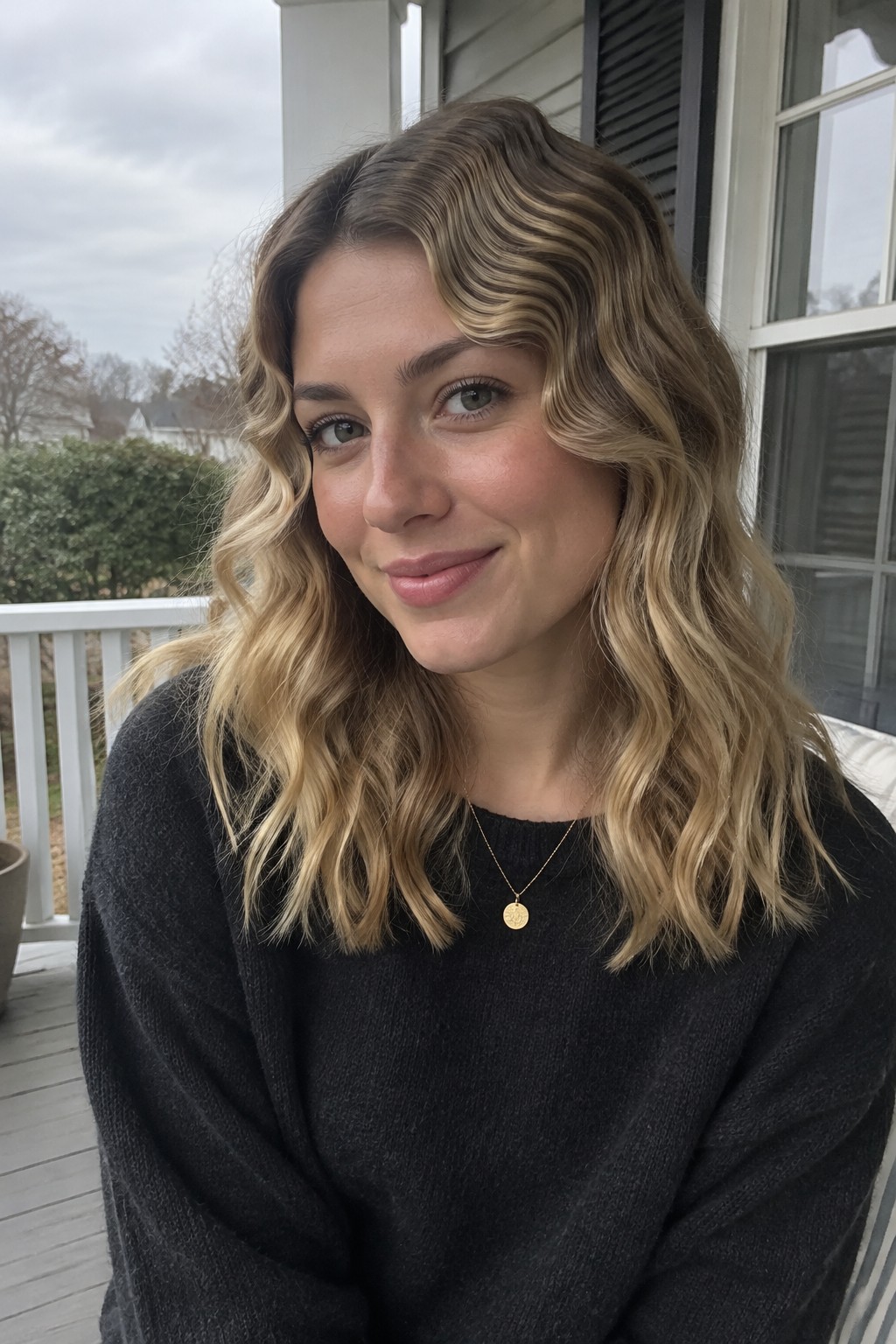
Sculpted S-shaped waves across the front give these long, layered blonde lengths a clear nod to 1920s finger waves. The pattern sits close to the head near the part, then blends into looser waves through the ends.
I’d keep the defined sections around the forehead and temples as the focal point, with the rest of the hair left softly tousled. That mix makes the vintage wave pattern feel wearable with a longer cut.
Short Finger Waves With a Side Part
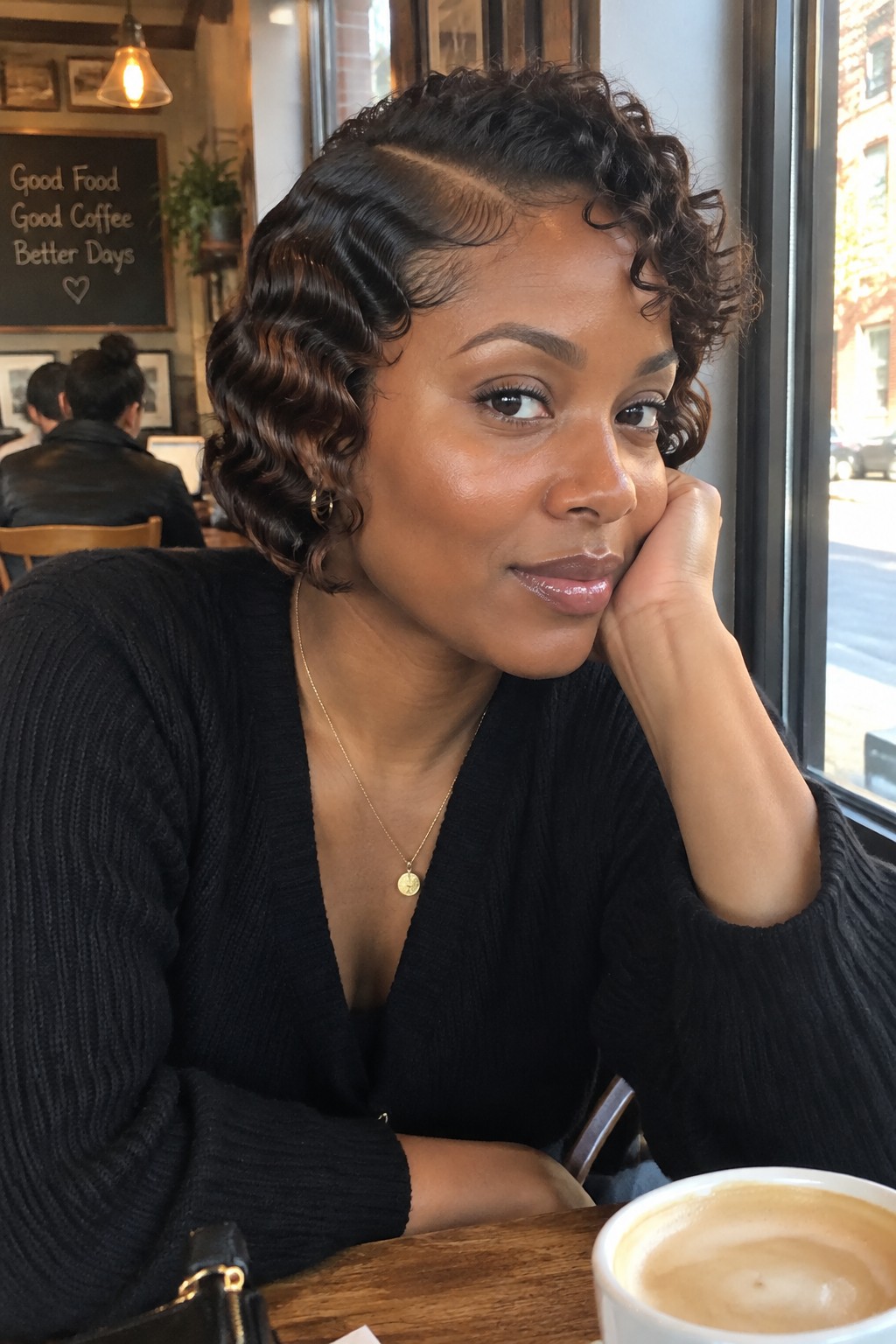
Glossy finger waves shape this short bob into defined S-curves that sit close around the sides of the head. A deep side part gives the style its sculpted direction, while the shorter length keeps the outline neat.
I’d keep the finish smooth so the wave pattern stays clear, with a few curls left loose at the crown for a less uniform shape. It’s a polished take on 1920s-inspired waves that still feels wearable beyond a formal occasion.
Layered Finger Waves On A Short Pixie Bob
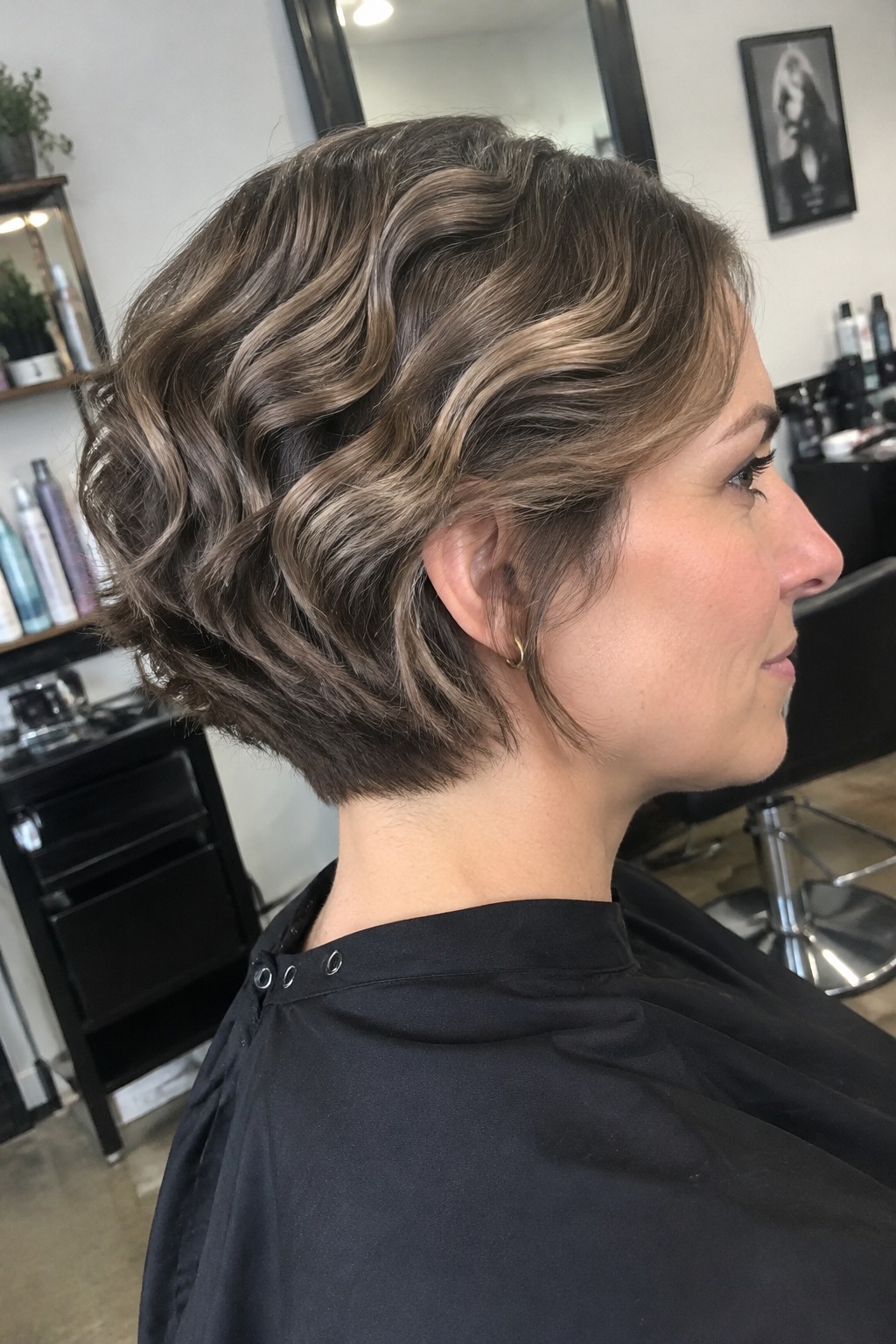
The short, stacked shape keeps the nape neat, while longer layers sweep across the crown in defined S-shaped waves. Warm blonde ribbons through the brown base make those curved sections easier to see.
I’d keep the finish glossy but not stiff, so the waves stay distinct while the ends retain a little texture. This shorter take brings a sculpted finger-wave detail into a relaxed, tousled shape.
Long Hair With Sculpted Finger Waves

Sculpted waves along the part and temples give this long, loose hairstyle its 1920s reference. The rest of the auburn hair falls in broad waves, so the defined front sections stand out without turning the whole length into a formal set.
I’d keep the waves most pronounced around the face and let the lengths stay softer for an easy contrast. It’s a nice option if you want the finger-wave shape but prefer to keep your long hair down.
Side-Swept Waves On A Layered Bob
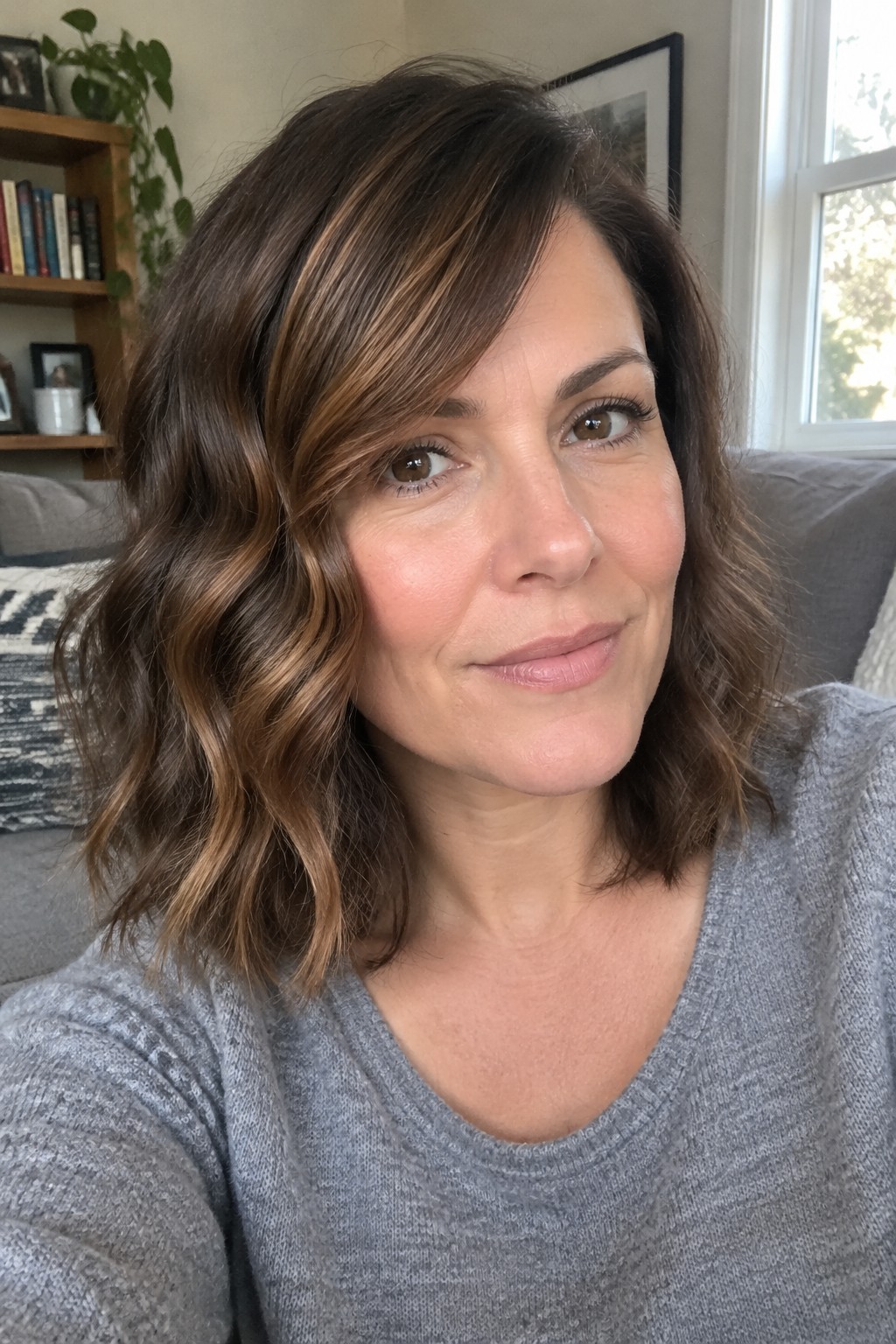
A side part and long, sweeping fringe shape this shoulder-length bob, while loose waves run through the layers. The warm highlights pick out a few front sections, but the finish stays relaxed rather than tightly sculpted.
For a 1920s-inspired take, you could define a couple of the waves near the fringe with styling product and leave the rest softly tousled. I’d keep the wave pattern loose here so it works with the bob’s natural shape instead of making the whole hairstyle feel formal.
Sculpted Finger Waves With a Low Bun

Glossy black finger waves sweep across the front and sides, then gather into a low, softly textured bun. The curved ridges give the updo its 1920s character, while a loose tendril near the nape keeps the finish from looking too set.
I like this version for anyone who wants the wave pattern to stand out without leaving all the hair down. Keeping the bun compact also lets the sculpted sections stay the focus.
Asymmetrical Finger Waves With a Sleek Long Side

Sculpted waves sit close to the head on one side, while the opposite side falls in a smooth, chin-length sweep. The contrast gives this short asymmetrical bob a clear 1920s finger-wave influence without making the whole style feel tightly set.
I’d keep the longer side sleek so the defined waves remain the focus. A deep side part helps separate the two shapes and makes this a distinctive option if you want a vintage-inspired style with an uneven silhouette.
Short Finger Waves With a Tapered Hairline

Sculpted waves sweep across this short cut in neat, defined ridges, while the sides stay close around the temples and ears. The clean hairline keeps the shape compact and lets the wave pattern stand out.
I’d keep the finish smooth and well defined to preserve the crisp pattern. It’s a striking way to wear a 1920s-inspired finger wave without adding length or extra volume.
Silver Finger Waves On A Shoulder-Length Bob

A center part and sculpted waves across the crown give this shoulder-length bob a clear nod to 1920s finger-wave styling. The rest falls straight to the shoulders, so the rippled top contrasts with the clean, blunt ends.
I’d keep the wave pattern concentrated around the part and temples to let the bob’s shape stay simple. The silver-gray color also makes the curves easy to see without needing extra volume.
Sculpted Finger Waves With a Low Chignon

A deep side part and glossy, sculpted waves shape the front, while the longer hair gathers into a low chignon at the nape. A loose tendril beside the ear keeps the updo from looking too tightly set.
I’d keep the chignon soft and rounded so the wave pattern stays the focus. This arrangement is a lovely option when you want a 1920s-inspired detail with the hair secured off the neck.
Tousled Finger Waves On A Wavy Bob
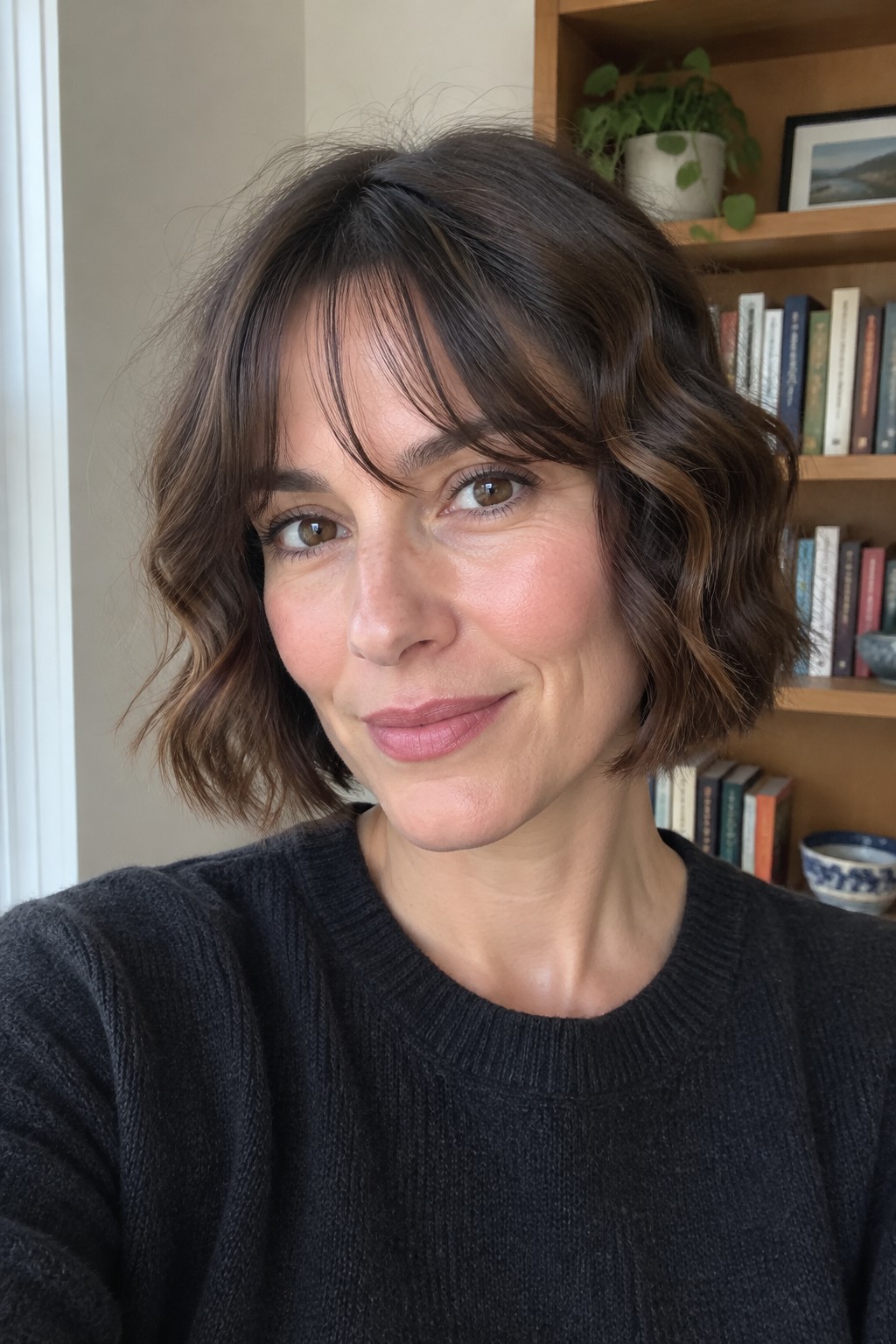
A chin-length bob gets its shape from loose, sculpted waves that curve around the sides, with wispy bangs breaking up the front. The finish is relaxed rather than tightly set, so the wave pattern feels like a casual nod to 1920s finger waves.
I’d keep the bends defined near the face and let the ends stay a little tousled. That contrast gives the bob its character without making the styling feel too formal.
Short Finger Waves With a Center Part
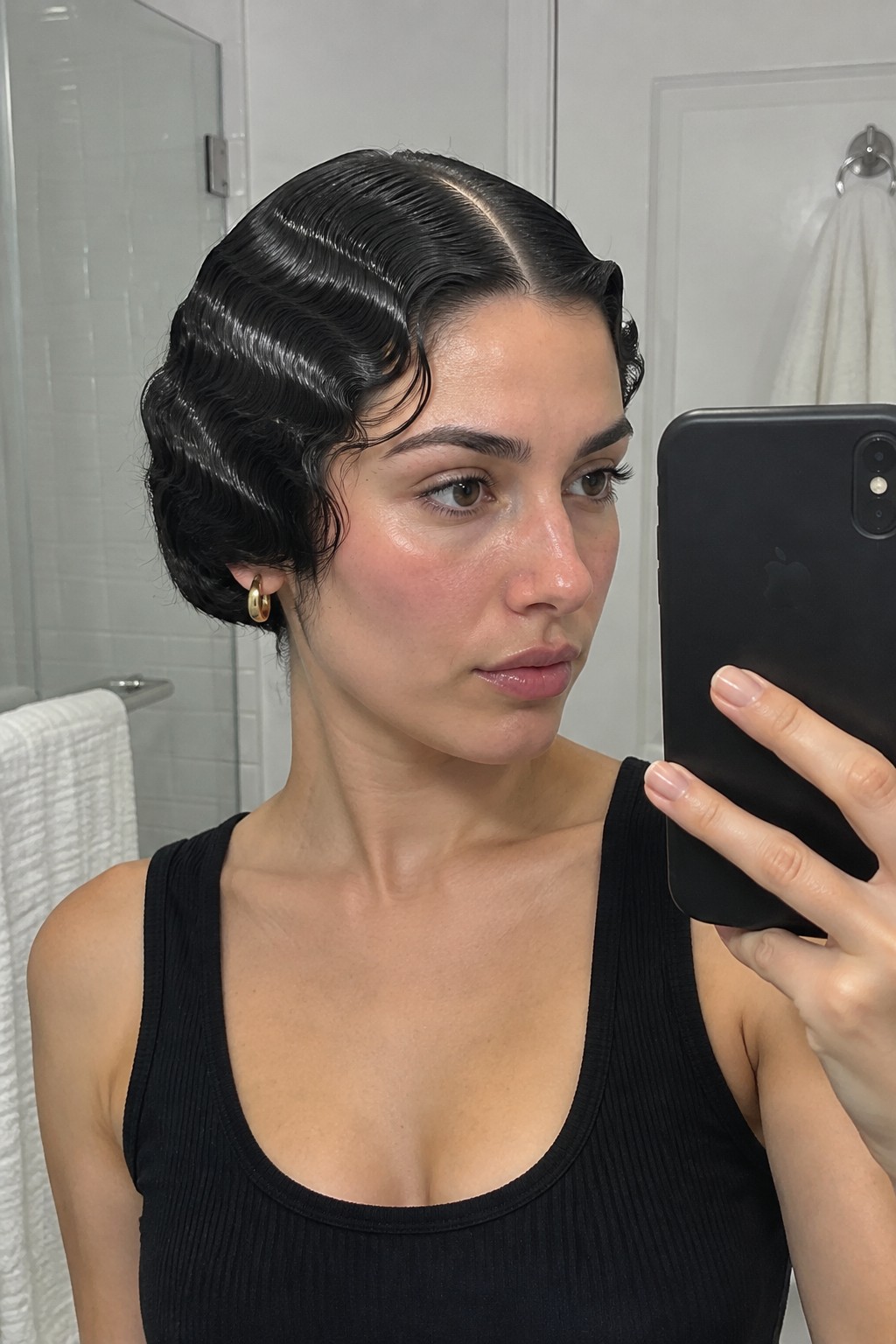
A clean center part gives these short sculpted waves a balanced shape, while the glossy ridges curve close to the head and tuck neatly around the ears. The compact length keeps the 1920s-inspired pattern easy to see.
I’d keep the finish sleek so the wave pattern stays defined, with a small curled piece near the hairline for a softer edge. This approach suits anyone who wants a polished finger-wave style without adding much length.
Copper Finger Waves On Shoulder-Length Hair

Defined S-shaped waves sweep across the front, while loose, layered lengths fall around the shoulders. The copper color picks up the ridges in the sculpted sections and keeps the rest of the hair from looking too set.
I like the contrast between those precise front waves and the more relaxed ends. It gives the 1920s-inspired detail a softer feel for everyday wear, though the sculpted sections will need some setting and patience to hold their shape.
Sculpted Finger Waves With a Low Bun

Broad, glossy finger waves sweep across the crown and lead into a compact low bun at the nape. The dark brown base and warm caramel ribbons make the curved ridges easy to see, while a loose tendril keeps the updo from feeling too neat.
I’d keep the bun softly gathered so the sculpted waves stay the focus. This is a lovely way to bring a 1920s-inspired finish into an updo, especially for a formal occasion.
Sculpted Waves On A Short Blonde Bob
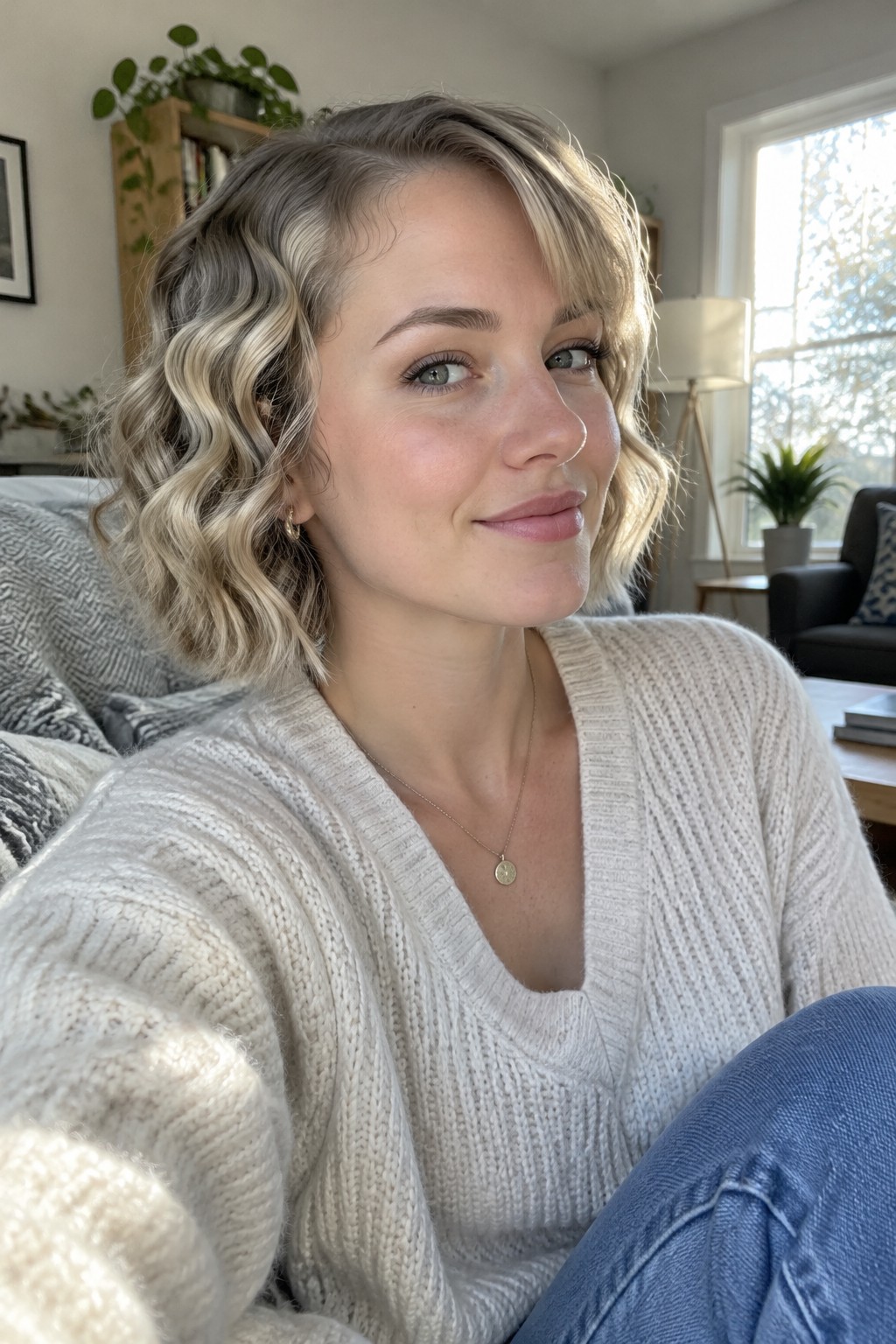
A chin-length bob gives these sculpted waves a rounded shape, while the deep side part lets the front section sweep across the forehead. The pale blonde highlights pick up the curves and make the wave pattern easy to see.
For a 1920s-inspired finish, the waves can be set close to the head rather than left loose and beachy. I’d keep the rest of the bob smooth so the sculpted sections stay the focus.
Sculpted Finger Waves With Natural Curls
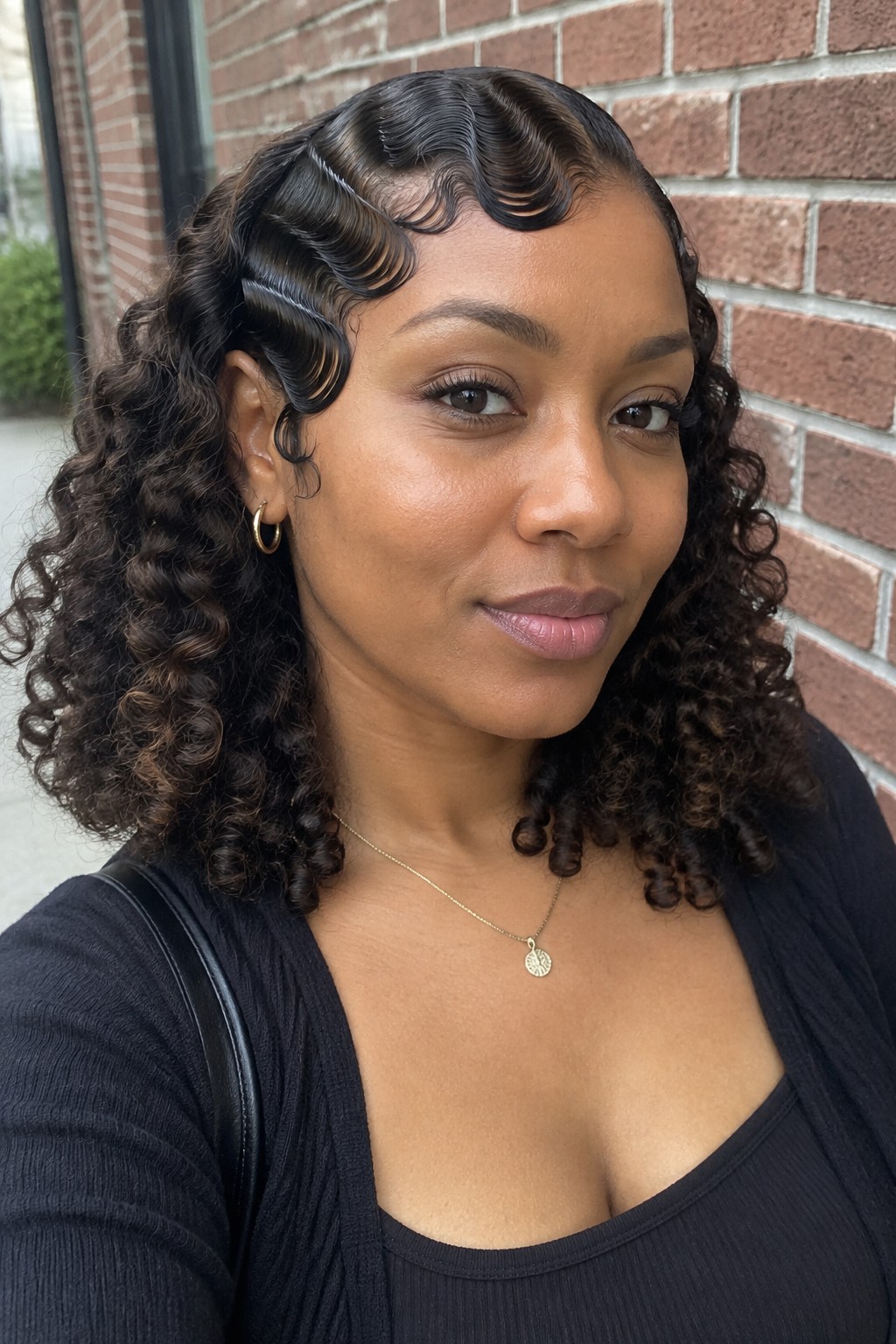
Glossy finger waves sweep across the crown and temple, then blend into shoulder-length curls. The contrast between the smooth, sculpted front and the fuller curl pattern gives this style its distinctive shape.
I like this approach for bringing a 1920s-inspired detail into a style with more length and texture. Keeping the waves defined along the hairline while letting the rest of the curls stay loose makes the look feel wearable beyond a full vintage set.
Sculpted Finger Waves On A Blonde Bob

The chin-length bob keeps a clean, rounded shape, while sculpted waves along the center part and front sections give it a clear 1920s influence. The rest of the hair sits smooth and close to the head, so the wave pattern stands out without adding extra bulk.
I like this as a softer way to try finger waves if you want to keep a familiar bob shape. The pale blonde color makes the curved sections easy to see, and a deep side part could give the same idea a slightly different feel.
Sculpted Finger Waves On A Short Wavy Cut
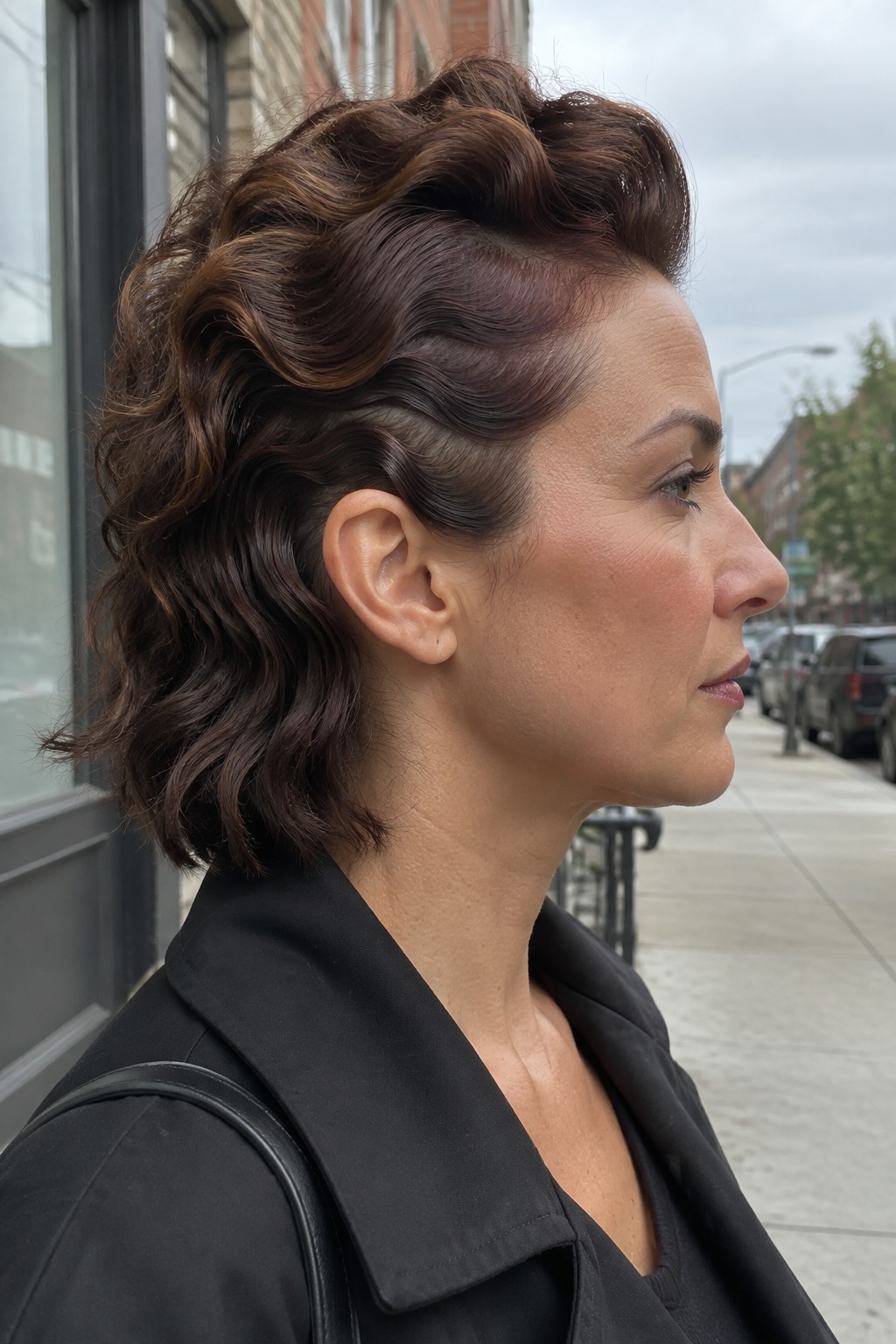
Deep, polished waves shape the sides of this short cut, while the longer top is swept back for height. The closely sculpted sections at the temple give the hairstyle its clear 1920s finger-wave character.
I’d keep the contrast between the smooth sides and the loose, wavy ends at the back. That mix makes the style feel wearable while still keeping the wave pattern as the main feature.
Short Blonde Bob With Sculpted Fringe

Sculpted waves across the fringe give this short blonde bob its clear 1920s influence. The rounded sides sit close to the jaw, while the curved bangs create a smooth pattern across the forehead.
I’d keep the rest of the bob softly waved so the fringe stays the main feature. The shape also offers a wearable way to try finger waves without styling the entire head in tight, defined ridges.
Long Copper Hair With Sculpted Finger Waves

Sculpted waves sweep across the crown before blending into long, loose copper lengths. The contrast between the defined waves at the front and the flowing texture below gives this 1920s-inspired style a softer, less formal shape.
I’d keep the wave pattern concentrated around the hairline and let the rest fall naturally, as it does here. That makes the vintage detail stand out without putting the full length into a polished updo.
Frequently Asked Questions
Q: Can I create finger waves if my hair is naturally curly? A: Yes. Start with damp, detangled hair and smooth it with a styling product before shaping the waves. Curly hair may need a little extra hold to keep the ridges defined.
Q: Do finger waves work on long hair, or are they just for short styles? A: They work on long hair too. You can shape waves near the scalp and leave the lengths loose, or pin the hair into a low updo for a more vintage finish.
Q: How do I keep the waves from falling flat? A: Let your hair dry fully before removing clips or brushing through it. A light mist of hairspray can help the shape last without making it feel stiff.
Q: Can I wear a finger wave style casually? A: Absolutely. Try a few sculpted waves around your part and keep the rest of your hair simple.
